

You can save money on groceries by planning meals before you shop, comparing unit prices instead of shelf prices, buying own-brand staples, and freezing what you don’t use right away. Small habits add up faster than one big change, and most take less than five minutes a week to build.
Groceries are usually one of the biggest weekly costs for any household, so small savings compound fast. The tips below are ordered roughly by effort, starting with the ones that take almost no extra time.
Start With A Weekly Meal Plan
Pick your meals for the week before you shop, not after. Look at what’s already in your fridge and pantry first, then build your list around that instead of starting from a blank page. This alone can cut a shopping trip by a third, since most impulse buys happen when you’re standing in an aisle deciding what to cook that night.
Keep a running list of five or six meals your household actually likes and rotate through them instead of reinventing dinner every week. It’s boring advice, but it works, because it removes the daily decision that leads to expensive takeaway.
Write A List And Price-Check It
A list does two jobs: it stops you buying things you don’t need, and it lets you estimate the total before you reach the checkout. Write it by aisle if your store layout stays consistent, so you’re not doubling back and passing tempting displays twice.
If you shop online, most supermarket sites let you save a list and reuse it every week. That’s a quick way to spot when a regular item has quietly gone up in price.
Compare Unit Prices, Not Shelf Prices
The price on the shelf ticket rarely tells the full story. Look for the smaller number, usually per 100g, per kilo, or per litre, printed just below or beside it. A big bag of rice can look expensive next to a small one, but work out the cost per kilo and the bigger bag is often the cheaper option by a wide margin.
How To Read Unit Price Labels
Unit prices let you compare a 500g jar against a 750g jar, or a branded product against the store’s own version, using one consistent measure.
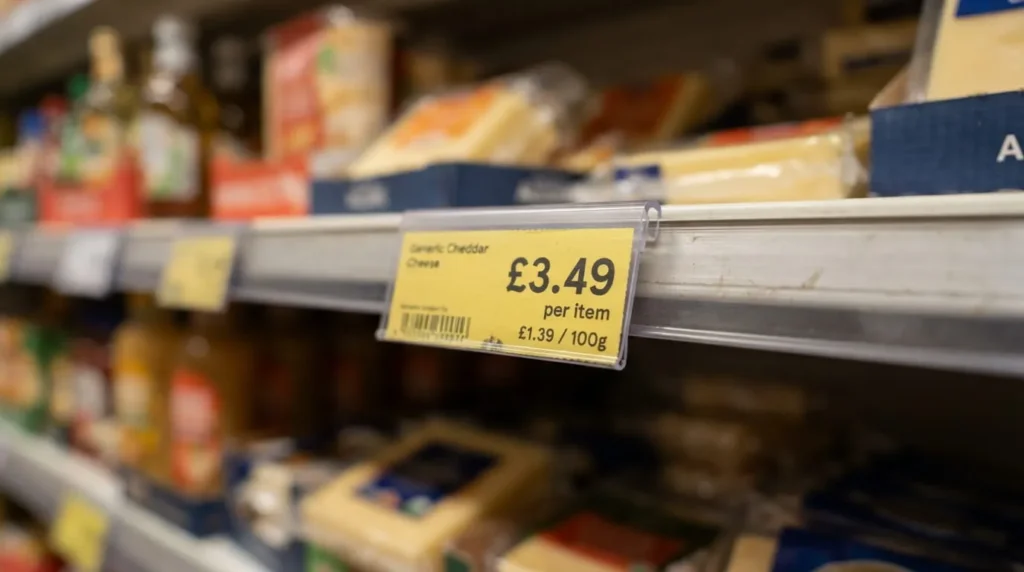
Check the unit price before checking the brand. A cheaper big pack sitting unused in your cupboard for months isn’t a saving, so only buy the bigger size if you’ll actually get through it.
Switch To Own-Brand Staples
Store-brand pasta, rice, tinned tomatoes, and flour are often made in the same or similar factories as the branded versions, just packaged differently. Try swapping one item at a time instead of your whole trolley at once, so you can tell which switches you’re happy with.
Keep a mental note of two or three items where the name brand genuinely tastes better to you. There’s no rule that says every swap has to work.
Shop Seasonal Produce
Fruit and vegetables cost less when they’re in season locally, because supply is higher and transport distances are shorter. A punnet of strawberries in the middle of winter usually costs more than the same punnet in early summer, for exactly this reason.
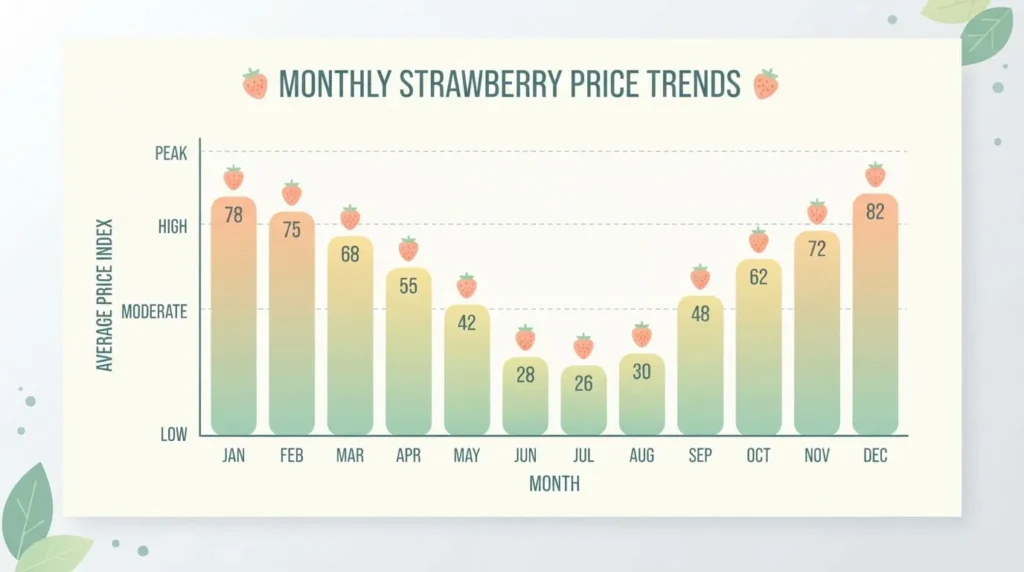
If you’re not sure what’s in season, a look at your local market stall is often a better guide than a supermarket display, since markets tend to sell what’s currently cheap to source.
Buy In Bulk, But Only What You’ll Use
Buying a large bag of rice, a bigger cut of meat, or a multipack of tinned goods usually lowers the cost per item. The catch is that bulk buying only saves money if you use everything before it spoils or expires.
Split large cuts of meat into meal-sized portions and freeze what you won’t cook this week. Store dry bulk goods like rice, oats, and pasta in sealed containers, away from heat and moisture, so they last as long as they’re supposed to.
Batch Cook And Use Your Freezer
Cooking a large pot of chilli, soup, or pasta sauce on a Sunday gives you several ready meals for the week at almost no extra time cost. It’s usually cheaper per portion than cooking from scratch every night, since you’re using your oven or hob once instead of five times.
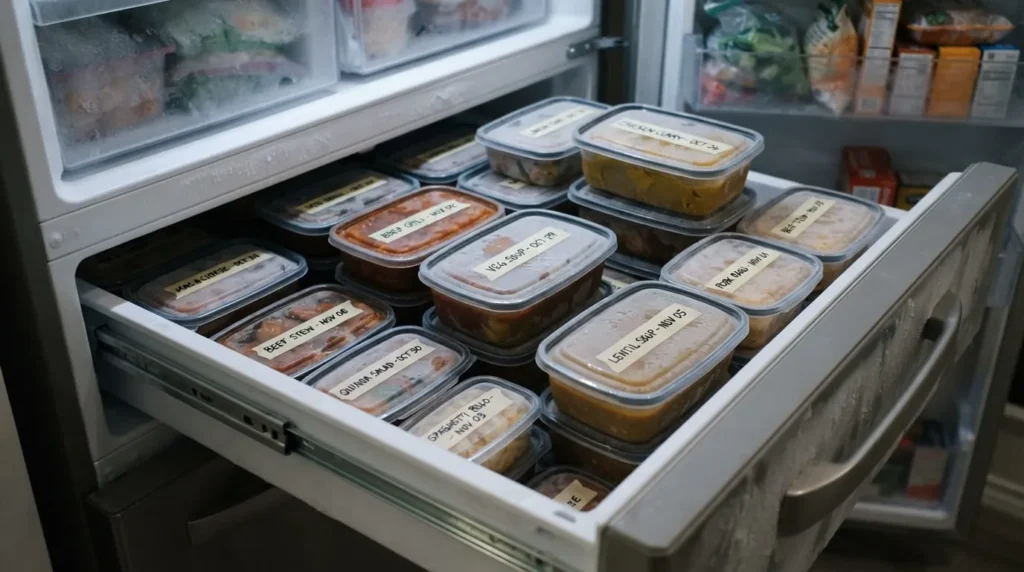
Freeze bread in slices so you can pull out one or two at a time instead of a whole loaf going stale. The same goes for bananas past their best. Peel and freeze them for smoothies or banana bread instead of throwing them out.
Use Loyalty Cards And Rewards Apps
Most major supermarkets now run some kind of loyalty scheme, offering personalised discounts based on what you actually buy. Tesco’s Clubcard and Sainsbury’s Nectar scheme, for example, both convert points into money off future shops, with Nectar sending personalised weekly offers through its app.
Signing up costs nothing and takes about five minutes. Keep track of expiry dates on any vouchers you’re sent, since unused points and codes are a common way this saving quietly disappears.
Watch Out For Multi-Buy Traps
A “buy two, get one free” deal only saves you money if you were already going to buy three. If the extra item ends up in the bin because you couldn’t finish it in time, you haven’t saved anything. You’ve just spent more for less waste-free food.
Check the use-by date before committing to a multi-buy on anything perishable, like meat, dairy, or bread. Non-perishables such as tinned goods, pasta, and cleaning products are a safer bet for this kind of deal.
Cut Food Waste To Stretch Your Budget
Store fruit and vegetables the way the supermarket does. If something sat in the chilled section at the store, it belongs in your fridge at home, not on the counter. Some fruits, like apples and bananas, release ethylene gas as they ripen, which speeds up spoiling in nearby produce, so keep them a little separate from delicate items like leafy greens.
Save vegetable peelings, stems, and offcuts in a bag in the freezer. Once you’ve got a decent amount, simmer them with salt, pepper, and any leftover roast bones for a free batch of stock.
Check What Support You Might Be Entitled To
If money is genuinely tight, it’s worth checking what help exists locally before assuming there’s none. Many areas have community food co-operatives that sell fruit and vegetables at reduced prices, and some regions run school meal programs or targeted food payment cards for low-income families with young children. A local advice service, council website, or school can usually point you toward what’s available in your specific area, since eligibility and schemes vary by region.
A Weekly Routine That Actually Sticks
None of this works as a one-off. Pick two or three tips from this list, build them into your normal shop for a month, and only then add another. A meal plan and a shopping list alone will cut most people’s grocery bill without changing what they eat.
FAQ’S
1:How much should I budget for groceries each week?
This depends on household size, location, and how much you cook from scratch. A single person typically spends less than a family of four, and city prices usually run higher than regional ones. Track your actual spending for a month before setting a target, rather than guessing at a number.
2:Is buying in bulk always cheaper?
Only if you use everything before it spoils or expires. Bulk buying saves money on non-perishables like rice, pasta, and tinned goods, and on meat you can portion and freeze. It stops saving you anything the moment food ends up in the bin.
3:Do own-brand groceries taste as good as name brands?
For many staples like pasta, flour, and tinned tomatoes, the difference is small or unnoticeable. For a handful of items, people do have a genuine preference for the branded version. Try swapping one item at a time to find out where it matters to you.
4:What’s the single easiest way to cut my grocery bill?
Meal planning before you shop. It removes the daily “what’s for dinner” decision that leads to expensive last-minute takeaway, and it naturally shrinks your shopping list to what you’ll actually cook.
5:Does freezing food actually save money?
Yes, in two ways. It stops food from spoiling before you use it, and it lets you buy in bulk or batch cook without waste. Bread, cooked meals, ripe bananas, and portioned raw meat all freeze well for later use