
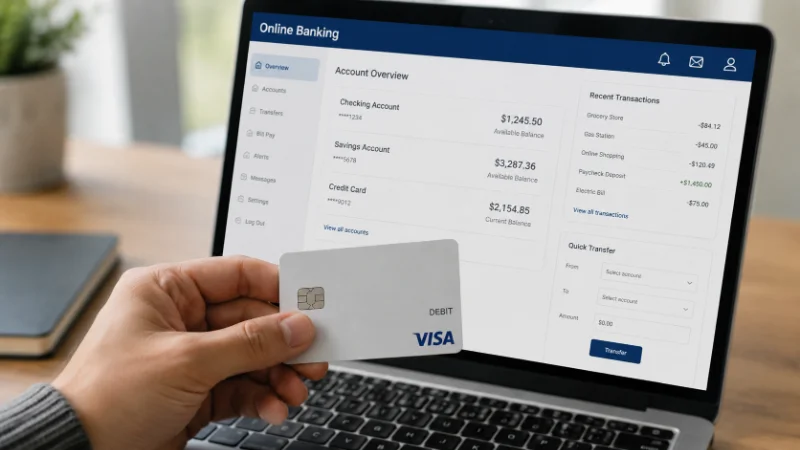

Prepaid debit cards let you spend only the money you load onto them, which makes them useful for budgeting, teaching teens about money, traveling without carrying cash, or managing finances without a traditional bank account. Unlike a credit card, there is no borrowing involved. Unlike most debit cards, a prepaid card is not tied to a checking account, so overspending is far harder to do by accident.
The right card depends on how you plan to use it. Someone loading a paycheck every two weeks has different needs than someone buying a single travel card for a two-week trip. This guide breaks down what actually matters when comparing prepaid cards, the fee structures to watch for, and how to pick a card that fits your situation.
What Makes a Prepaid Debit Card “Good”
Not all prepaid cards are built the same, and the cheapest one is not always the best fit. When you compare cards, focus on a handful of factors that actually affect your day-to-day experience with the card rather than marketing claims. Most prepaid cards issued today also support tap to pay, so checking for that feature is worth doing before you load money onto one that doesn’t.
1. Monthly and Activation Fees
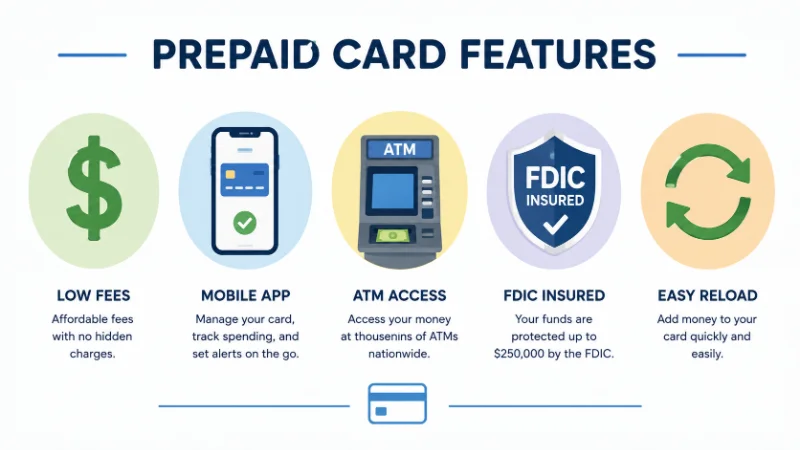
Many prepaid cards charge a monthly maintenance fee, though some waive it if you load a minimum amount each month through direct deposit. Some cards also charge a one-time activation fee when purchased in a retail store, while ordering directly online often avoids that cost. Always check whether the fee is charged every month regardless of use, or only under certain conditions.
2. Reload Options and Fees
A prepaid card is only as convenient as it is easy to reload. Look for cards that support free direct deposit, since this is usually the cheapest way to add funds. Cash reloads at retail locations typically carry a small fee per transaction, and mobile check deposit availability varies by issuer. If you plan to add cash regularly at a store counter, factor that fee into the true cost of the card.
3. ATM Access
Withdrawing cash from an out-of-network ATM is one of the most common ways prepaid card users lose money to fees. Some cards partner with large ATM networks that allow free withdrawals, while others charge a flat fee per withdrawal on top of whatever the ATM operator charges. If you expect to withdraw cash often, prioritize a card with a wide free ATM network over one with slightly lower monthly fees.
4. FDIC Insurance
Reputable prepaid card issuers place your funds in an FDIC-insured account through a partner bank, which protects your balance up to the standard insured limit if the bank fails. This is a non-negotiable feature. Before loading meaningful money onto any prepaid card, confirm FDIC coverage is explicitly stated in the cardholder agreement.
5. Mobile App Quality
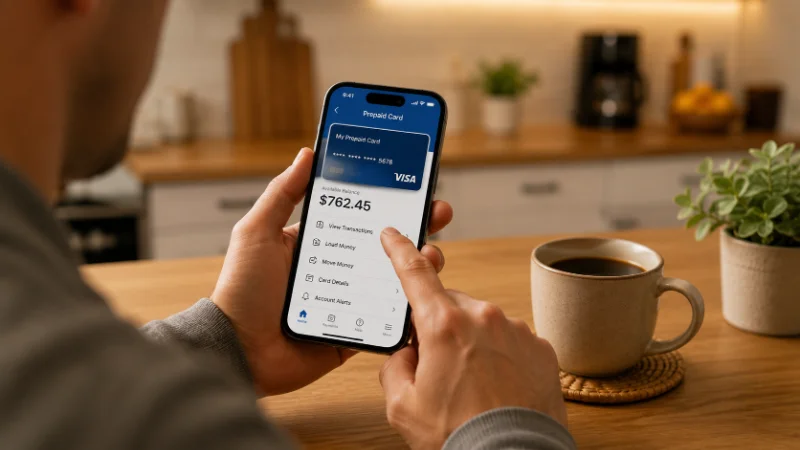
A card is much easier to manage day to day when the mobile app lets you check your balance instantly, lock the card if it’s lost, set up spending alerts, and find free ATMs nearby. Weaker apps limit you to checking a balance and little else, which becomes frustrating quickly.
Types of Prepaid Debit Cards
Prepaid cards are not one product. Different types are built for different purposes, and picking the wrong type is the most common mistake first-time buyers make.
1. General Purpose Reloadable Cards
These are the most common type, designed to function as an everyday spending card. You load funds via direct deposit, cash reload, or bank transfer, and spend anywhere the card’s network (usually Visa or Mastercard) is accepted. Brands like Green Dot, NetSpend, and American Express Serve fall into this category, and each has its own fee schedule and features, so comparing the fine print matters more than the brand name.
2. Payroll Cards
Some employers issue payroll cards instead of direct deposit to a bank account, particularly for workers without a traditional checking account. Funds land each pay period automatically. These cards are generally free to the employee for basic use, but ATM and inactivity fees can still apply, so it is worth reading the terms your employer’s provider issues.
3. Government Benefit Cards
Programs like unemployment insurance and certain federal benefits are often disbursed through prepaid cards rather than paper checks. These cards are issued directly by the state or federal program administering the benefit, not chosen by the recipient, and fee structures are set by that program.
4. Gift and Single-Use Cards
Store-bought gift prepaid cards are meant to be spent down and discarded, not reloaded or used long term. They are not a substitute for a reloadable card and usually carry different (often higher) fees if you try to use them that way.
5. Travel Prepaid Cards
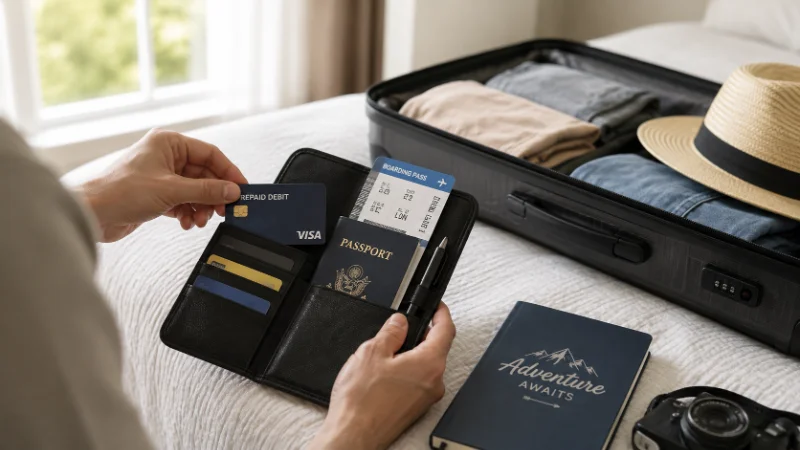
Some prepaid cards are built specifically for travel, offering multi-currency loading or reduced foreign transaction fees. If you are buying a card mainly for an upcoming trip abroad, a travel-focused card will usually save more money than a general-purpose card used internationally.
How to Choose the Right Prepaid Card for You
1. If You Want to Budget Strictly
Look for a card with no overdraft option at all, since the inability to spend more than your balance is the entire point. Pair it with an app that sends low-balance alerts so you always know where you stand.
2. If You’re Giving a Card to a Teen or Family Member
Prioritize cards with parental controls, spending limits by category, and real-time notifications every time the card is used. Several issuers offer family-focused prepaid cards specifically designed for this, with a linked parent account that can move money instantly.
3. If You Don’t Have a Traditional Bank Account
Choose a card with free direct deposit and a strong free ATM network, since these two features will save the most money over a year of regular use. Confirm the card reports to any relevant credit-building program if that is a goal, since not all prepaid cards offer this.
4. If You Travel Internationally
Compare foreign transaction fees closely, since these vary widely between issuers. A card advertised as free domestically can still carry a meaningful percentage fee on every purchase made abroad.
Prepaid Debit Cards vs. Traditional Debit Cards
A traditional debit card is linked to a checking account and can sometimes allow overdrafts, either through an opt-in overdraft program or a linked overdraft line, which can result in fees if you spend more than your balance. A prepaid card generally cannot go negative, since transactions are simply declined once the loaded balance runs out. This makes prepaid cards a safer default for anyone who has struggled with overdraft fees in the past.
The tradeoff is that prepaid cards historically offered fewer built-in protections and rewards than a checking account debit card. That gap has narrowed significantly, with many prepaid cards now offering the same zero-liability fraud protection as major bank debit cards, cashback offers on certain purchases, and early access to direct deposit funds. Still, a prepaid card will rarely match the full suite of services a checking account provides, such as paper checks or in-branch service.
Prepaid Debit Cards vs. Secured Credit Cards
People trying to build credit sometimes confuse prepaid cards with secured credit cards, but they work very differently. A prepaid card is not a credit product, and using one does not build your credit history, since there is no borrowing or repayment involved. A secured credit card, by contrast, requires a cash deposit that becomes your credit limit, and responsible use of it is reported to the credit bureaus.
If credit building is your goal, a secured credit card is the correct tool, not a prepaid debit card. If your goal is simply controlled spending without any credit risk, a prepaid card is the better fit. Some issuers now offer combined products that report certain payment activity, such as rent paid through the card, to credit bureaus, so check the specific card’s terms rather than assuming based on the product category.
Common Prepaid Card Fees to Watch For
Fee structures vary by issuer, but a handful of fee types show up across most of the market. Monthly maintenance fees are the most predictable, often waived with a qualifying direct deposit. Cash reload fees apply when adding money at a retail counter rather than through free methods like direct deposit or bank transfer. ATM withdrawal fees apply outside the card’s free network and can stack with a separate fee charged by the ATM operator itself. Inactivity fees can apply if a card goes unused for an extended period, typically several months. Paper statement fees apply on some cards if you opt out of electronic statements. Card replacement fees apply if you need a new physical card due to loss or damage.
Reading the full fee schedule before choosing a card, rather than relying on advertised headline features, is the single best way to avoid an unpleasant surprise on your statement.
How to Load Money Onto a Prepaid Card
Most cards support several loading methods, though availability varies by issuer. Direct deposit from an employer or benefits program is usually the fastest and cheapest method, and many issuers post funds up to two days early compared to a traditional bank. Mobile check deposit through the issuer’s app lets you photograph and deposit a paper check directly. Bank transfers let you move money from an existing checking account. Cash reloads at partner retail locations, such as pharmacies or convenience stores, let you add physical cash, usually for a small fee. Some issuers also support person-to-person transfers from certain payment apps.