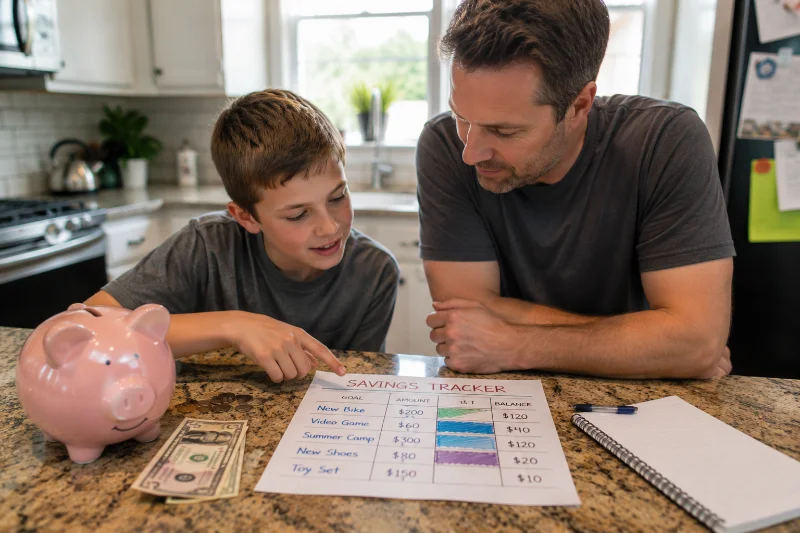


Kids can make money by doing paid chores for neighbors, selling things they no longer use, running simple seasonal businesses like lemonade stands or snow shoveling, and offering skills such as tutoring or pet care. Most of these jobs need no special license and can start with a parent’s help finding the first customer.
The right option usually depends on age, since a seven-year-old and a fifteen-year-old have very different amounts of independence and different platforms available to them. Younger kids tend to do best with chores and stands that a parent can supervise up close, while tweens and teens can branch into apps, freelance sites, and paid skills that require more responsibility.
Chores and Errands for Neighbors
The easiest entry point into earning is doing paid work for people who already know the family. Kids can rake leaves, wash cars, water plants while neighbors travel, or take out someone’s trash cans on collection day.
Helping an older neighbor with small errands works especially well for pre-teens who aren’t old enough for formal babysitting yet. Tasks like walking to the mailbox, cleaning out a litter box, or just sitting and talking for company can turn into a standing weekly job.
Pet sitting and dog walking are also strong options, since many working pet owners need someone to check in during the day or cover a vacation. A kid who is reliable and good with animals can build repeat business fast just from word of mouth.
A short flyer dropped in a few mailboxes, or a post in a neighborhood app like Nextdoor written by a parent, is often all it takes to land the first client. Once one neighbor vouches for a kid’s reliability, referrals tend to follow without much extra effort.
1. Babysitting and Childcare
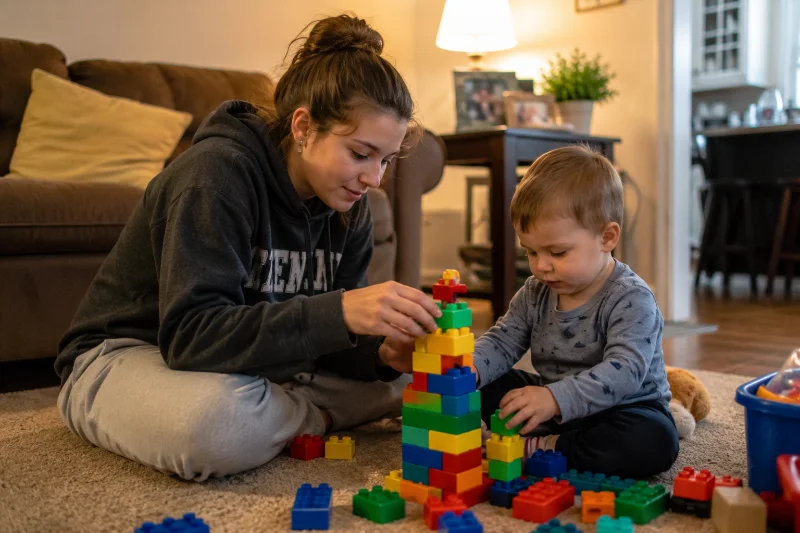
Once a kid is roughly 11 to 13 and has taken a babysitting safety course, watching younger children for family friends becomes one of the higher-paying options on this list. Many local Red Cross chapters and community centers run inexpensive babysitting certification classes that also make parents more comfortable hiring a young sitter.
Rates for young babysitters vary a lot by region and by how many kids are being watched, so it helps to ask a few other local families what they typically pay before setting a price. Starting with a short daytime job for a family the parents already know is usually an easier first booking than a full evening shift for strangers.
Selling Things They Already Own
A yard sale is one of the fastest ways for a kid to see cash in hand. Letting a child pick the items, set the prices, and run the table themselves turns it into a real hands-on lesson in negotiating and making change, with a parent close by to keep things fair and safe.
For clothes, toys, and games in good shape, resale apps are another option once kids are old enough. Depop and Mercari both allow selling starting at age 13 through an account a parent or guardian sets up and owns, which keeps a responsible adult in the loop on payments and shipping.
Facebook Marketplace works well for bigger items like a bike outgrown or a gaming console no longer used. Since Marketplace requires an adult account, a parent typically has to handle the posting and the actual meetup with a buyer.
Kids who enjoy crafts can also sell handmade items such as friendship bracelets, painted rocks, or greeting cards at a school event, a farmers market table, or through a parent’s social media account. Pricing handmade goods to cover both materials and time is a useful early lesson in how small businesses actually work.
Classic Seasonal Kid Businesses
Some of the oldest kid jobs are still some of the most reliable. A lemonade stand near a yard sale or community event, a hot cocoa stand in winter, or a holiday cookie sale can bring in steady cash over just a weekend or two.
Snow shoveling in winter and leaf raking or lawn mowing in warmer months give kids a built-in, repeating customer base once a few neighbors sign on. Car washing on a warm Saturday is another simple option that needs almost no startup cost beyond a hose, soap, and some towels.
Holiday stretches tend to be especially good for seasonal earning, since gift wrapping services, homemade ornaments, or a hot cider stand at a local tree lot can all draw customers who are already in a spending mood. Picking a business that matches the season means less competition and a built-in reason for people to stop and buy.
Money-Making Skills for Tweens and Teens
Older kids with a specific skill can often earn more per hour than they would from basic chores. A tween who is patient and good with technology can offer to teach grandparents or neighbors how to use a smartphone, tablet, or streaming device.
Tutoring younger students in a subject a teen is strong in, whether that’s math, reading, or a musical instrument, is another option that pays well and looks good on a future job application. Teens with a creative streak can also take on freelance work such as writing, graphic design, or short-form video editing through sites like Fiverr, which allows teens ages 13 to 17 to work under a parent or guardian’s account.
Teens who are strong swimmers or athletes can sometimes pick up paid work as a swim instructor’s assistant, a referee for a youth league, or a coach’s helper at a summer camp, often through the same parks and recreation department that runs the program. These roles usually pay more consistently than one-off gigs, since they run on a set weekly schedule for an entire season.

Where the Money Should Go Once It’s Earned
Once a kid starts bringing in cash regularly, opening a savings account built for minors gives them a safe place to keep it and a chance to watch it grow. Most banks and credit unions offer youth savings accounts with no monthly fees and a low minimum opening deposit, usually with a parent listed as a joint owner until the child turns 18.
For teens with steady earned income from a job, gig, or business, a custodial Roth IRA is worth a look. Earned income from babysitting, tutoring, or a small side business is the main requirement for opening a custodial Roth IRA, a kid’s retirement account, and money contributed can be withdrawn tax-free later for things like college costs or a first home. Letting even small amounts sit and grow for years is one of the biggest advantages a young earner has that adults rarely get a second chance at.
A simple split system also helps money feel manageable instead of overwhelming. Many families divide earnings into three jars or account categories, spending, saving, and giving, so a kid gets to enjoy some of the money right away while still building the habit of setting part of it aside for later. As kids get older, casual jobs like these often turn into something more structured — see our guide to small business ideas for teens for the next step up.”
Rules Parents and Kids Should Know First
Age limits matter more than most people expect. Several resale and freelance platforms set their own minimum ages and require a parent’s account, so it’s worth checking the specific rules before a kid signs up anywhere online.
Local laws also matter for things like lemonade stands and yard sales. Some cities and neighborhoods have specific rules about at-home stands or garage sale permits, so a quick check of municipal guidelines can prevent an awkward conversation with a passerby or a city official.
Cash handling and online payments should stay supervised for kids under about 16. A parent or guardian managing the account, collecting payment on Marketplace, or double-checking a Venmo request keeps a young earner’s first jobs from turning into a scam target.
It’s also worth talking through a few ground rules before a kid takes their first paid job with a stranger’s family, such as always working in a location a parent has approved and having a way to reach a parent quickly if something feels off. These conversations take a few minutes but make the difference between a good first work experience and one that shakes a kid’s confidence. Selling things you no longer use isn’t just for adults — it’s another way to bring in extra cash that works for kids too, alongside chores and small jobs.