
Vinted makes money mainly by charging buyers a mandatory platform fee when they purchase items, while ordinary sellers can list and sell products without paying a standard selling commission. It also earns revenue from optional listing promotions, advertising, shipping-related services, and other marketplace services available in certain countries.
The idea behind Vinted’s business model is simple. Keep selling free to attract more people and more products, then generate revenue through services connected to buying, selling, and delivering items. This approach helps the company compete with traditional resale marketplaces while encouraging users to trade secondhand goods.
How Does Vinted Make Money?
Vinted generates revenue through several different sources. Its main source is the fee charged to buyers during checkout, while other revenue comes from optional seller promotions, advertising, and marketplace-related services.
Here are the main ways Vinted earns money:
- Buyer platform fees charged on purchases
- Paid listing promotions called Bumps
- Advertising services for brands and businesses
- Shipping and logistics-related services
- Additional services such as item verification in eligible markets
The amount Vinted earns from each source can vary by country and service. Its US marketplace, for example, does not offer exactly the same paid services as some European markets.
Buyer Protection and Platform Fees
The buyer fee is one of Vinted’s main revenue sources. When a customer purchases an item using the Buy Now option, Vinted adds a platform fee to the order total.
In the US, the fee typically includes 5% of the item or bundle price plus $0.70. The exact amount can vary depending on the order, item characteristics, and applicable taxes.
The fee helps pay for platform operations, transaction support, payment-related services, and buyer protection processes. Eligible purchases may receive assistance if an item is lost, damaged, or significantly different from its description.
Example of a buyer fee
Suppose someone buys a secondhand jacket listed for $30.
- Item price: $30
- 5% fee: $1.50
- Fixed fee: $0.70
- Total platform fee: $2.20
The buyer would pay $32.20 before shipping and any applicable taxes. The seller generally receives the agreed item price, subject to the transaction completing successfully and any other applicable rules.
This is an important part of Vinted’s business model because the company can earn money from transactions without taking a standard commission from the seller.
Paid Listing Promotions Called Bumps
Vinted also allows sellers to pay for extra visibility. This optional service is called a Bump.
When a seller purchases a Bump, their listing can receive increased visibility in search results and feeds for a selected period. The service is useful for sellers who want to attract more potential buyers or sell an item faster.
Bumps are optional. Sellers can still list and sell items without purchasing promotion.
The price of a Bump depends on factors such as the item’s price, promotion duration, and selected reach. Vinted offers promotion periods that can last three or seven calendar days, with the applicable price displayed before purchase.
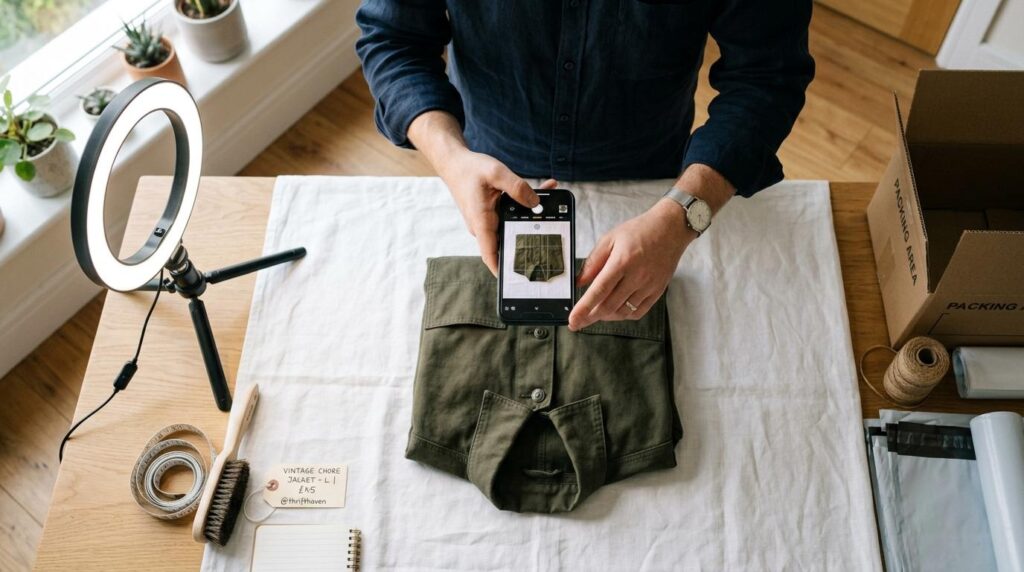
This revenue source works because some sellers are willing to spend money to improve the chances of selling their products. Vinted does not need to charge every seller a commission to earn money from those who choose additional exposure.
Advertising Revenue
Vinted also earns money from advertising services offered to commercial partners and brands.
Companies that want to reach shoppers interested in secondhand clothing, lifestyle products, or related categories can explore advertising opportunities through Vinted. Advertisers pay for access to an audience that may be interested in their products or services.
Advertising is a smaller but meaningful revenue source compared with marketplace services. Vinted’s published 2025 financial statements reported approximately €31.7 million in advertising revenue.
This gives Vinted another way to earn money beyond individual buying and selling transactions.
Shipping and Delivery Services
Shipping is another part of Vinted’s business model. Buyers generally pay the delivery cost when purchasing an item, and sellers use the shipping options provided through the platform.
Vinted connects transactions with shipping partners and has also developed its own logistics operations under Vinted Go in selected markets. Its delivery infrastructure includes parcel services, collection points, drop-off locations, and other shipping solutions.
However, it is important to understand that collecting shipping money does not automatically mean the entire amount is profit. Vinted may pay carriers or other delivery partners to complete shipments.
The company generates revenue from integrated shipping services, but its actual profit or margin on an individual shipping transaction is not publicly disclosed for every country or delivery option.
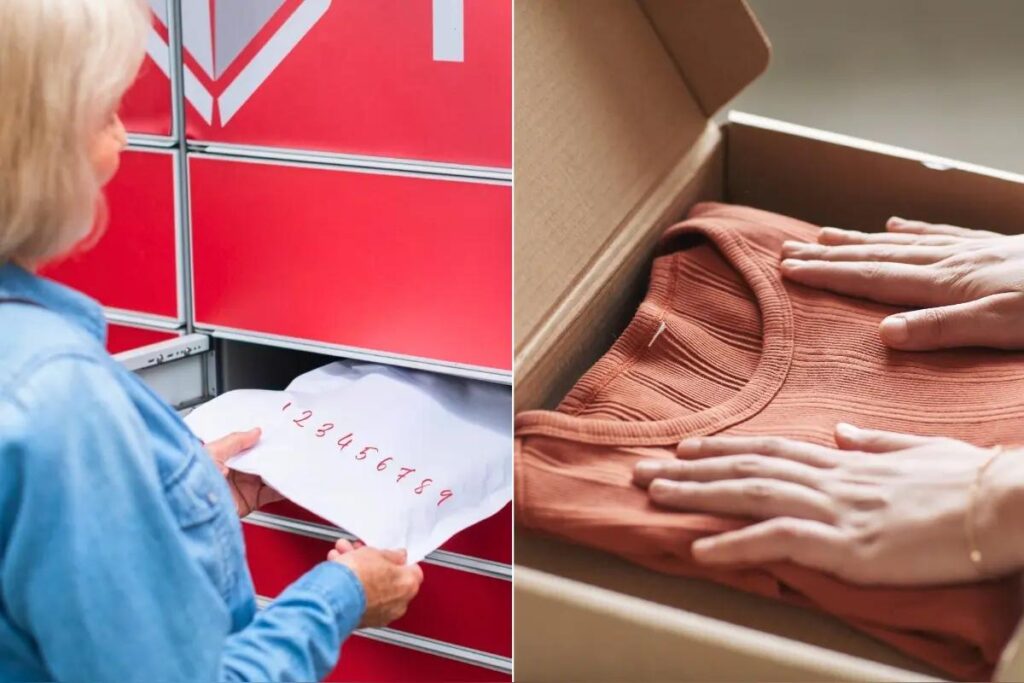
Its logistics operations also help reduce friction in the marketplace. Easier delivery can encourage more people to buy and sell, leading to additional transactions and potential fee revenue.
Item Verification and Other Paid Services
In some countries, Vinted offers additional services that customers can purchase.
One example is item verification. Buyers purchasing certain eligible branded products may have the option to pay for an authenticity check before the item is delivered. The service can help customers feel more comfortable when buying selected high-value products.
These services are not available everywhere. Vinted’s business model changes by country, and some services available in European markets may not be available to US users.
Vinted also operates additional marketplace, payments, and logistics services as part of its wider business. These operations give the company opportunities to earn income outside the core secondhand marketplace.
Why Does Vinted Allow Sellers to Sell for Free?
Free selling is a business strategy that helps Vinted attract sellers and build a large marketplace.
Imagine a marketplace that charges every seller a commission. Some people may decide not to list their old clothes because they want to avoid fees. Vinted removes much of that barrier by allowing ordinary sellers to list items without paying a standard selling fee.
This encourages people to upload more products, creating a larger selection for buyers.
A larger selection can attract more shoppers. More shoppers can increase the number of purchases, and more purchases create opportunities for Vinted to collect buyer fees.
This creates a cycle:
- Free selling attracts more sellers.
- More sellers create a wider selection of items.
- More items attract additional buyers.
- More buyers increase the number of transactions.
- More transactions generate buyer-fee revenue for Vinted.
This approach is commonly associated with marketplace network effects. The platform becomes more useful as more people join and participate.
How Much Money Does Vinted Make?
Vinted has grown into a large secondhand marketplace with significant annual revenue.
According to its published 2025 financial results, Vinted Group reported:
| Financial Metric | 2025 Result |
| Gross merchandise value (GMV) | €10.8 billion |
| Revenue | €1.12 billion |
| Net profit | €62.3 million |
| Adjusted EBITDA | €151 million |
GMV represents the total value of goods traded through the marketplace, while revenue represents the money the company earns from its services and business operations. These are different figures and should not be treated as the same thing.
Vinted’s 2025 revenue increased by 38% compared with 2024, while GMV grew by 47%. The company continued investing in new markets, logistics, payments, and additional product categories.
These figures show that Vinted’s free-selling model can generate substantial revenue when supported by a large volume of transactions.
Is Vinted’s Business Model Profitable?
Yes. Vinted reported a net profit of approximately €62.3 million for 2025.
The company’s profitability comes from operating a marketplace at scale and earning revenue through services connected to transactions. Keeping the basic selling experience free helps attract users, while buyer fees and other services provide revenue.
However, profit is not the same as revenue. Vinted must still pay for marketing, employees, technology, payment processing, delivery operations, customer support, and business expansion.

Its profit can change as it enters new countries or invests more heavily in logistics and technology. Growth therefore does not automatically mean that every additional transaction generates the same profit.
Final Thoughts
Vinted makes money primarily through buyer-paid platform fees, optional seller promotions, advertising, and shipping-related or additional marketplace services. It keeps ordinary selling free to attract more sellers, increase product selection, and encourage more transactions.
The model works because Vinted earns money from the activity surrounding secondhand trading rather than charging sellers a traditional commission on every sale. Its growing marketplace, logistics operations, and payments services give it additional ways to generate revenue as more people use the platform.