
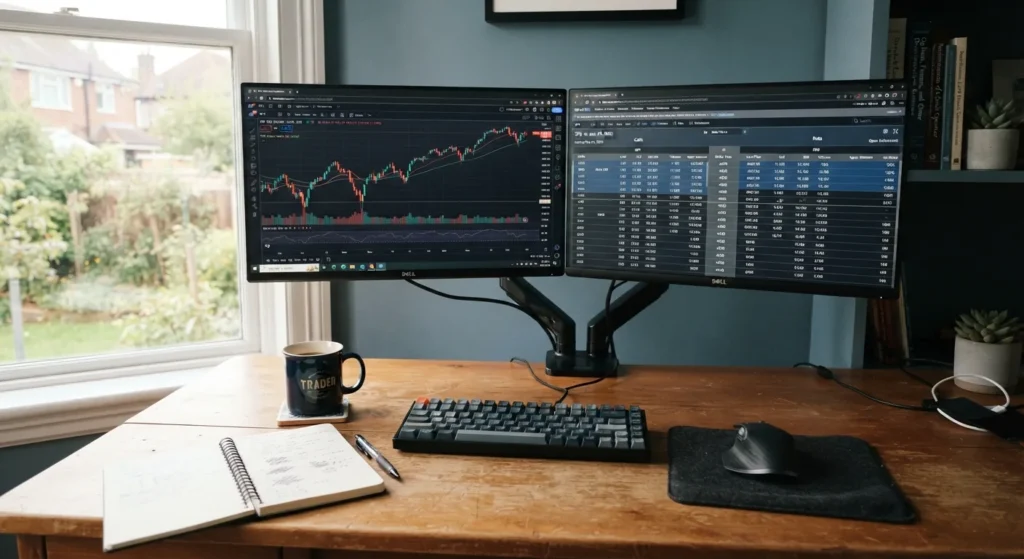

Tastytrade is a US brokerage built around options and futures trading, and most tastytrade reviews agree on one thing: it works best for traders who already understand options mechanics rather than beginners looking for a simple investing app. The platform charges no commission on stock and ETF trades, charges per-contract fees on options that are capped and only apply when opening a position, and layers in a large library of trading education through its affiliated media arm, tastylive.
This review covers what the account setup looks like, how the fee structure actually works, what the trading platforms offer, and who tends to get the most value out of tastytrade compared with brokers like Interactive Brokers, Schwab, or Robinhood.
What Tastytrade Is (and Who Runs It)
Tastytrade was co-founded by Tom Sosnoff, who previously built thinkorswim before it was acquired by TD Ameritrade. After that sale, Sosnoff and his team started tastyworks as a brokerage aimed specifically at active options and futures traders, and the brand later consolidated under the tastytrade name alongside its media and education platform, tastylive.
That background shows up in the product itself. The order entry screens, the risk graphs, and the default layouts are built around options strategies like verticals, iron condors, and strangles rather than simple buy-and-hold stock investing. Traders coming from a general-purpose app often need a few sessions just to get comfortable with the interface.
Account Types and Getting Started
Tastytrade offers standard individual and joint brokerage accounts, IRAs, and entity accounts for trusts or LLCs. Account opening is done online, and approval for options and futures trading depends on a questionnaire about trading experience and risk tolerance, which is standard across US brokers.
There’s no account minimum to open a cash account, though futures trading and certain options approval tiers require enough capital to meet margin and buying power requirements. New users should expect the application to ask detailed questions about trading history, since the broker uses that information to set options approval levels rather than approving everyone for the same strategies.
Trading Fees and Commissions
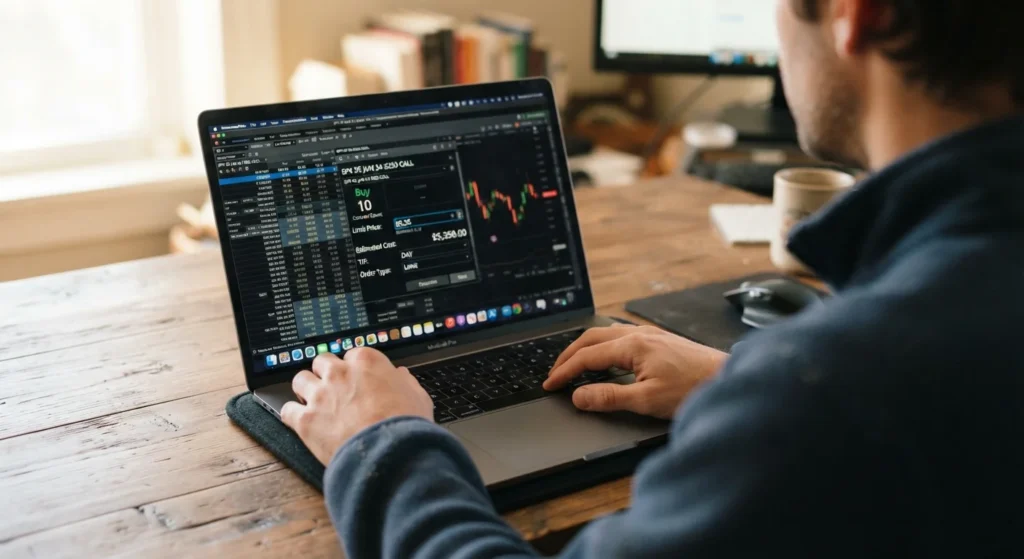
Stock and ETF trades carry no per-trade commission, which puts tastytrade in line with most major US brokers today. Options trades work differently: a small per-contract fee applies when opening a position; that fee is capped per leg so large multi-contract trades don’t scale commissions indefinitely, and closing an options position carries no fee at all.
That “free to close” structure matters more than it looks. Traders who scale out of positions in pieces, or who close small residual contracts near expiration, don’t get charged extra for doing so, which encourages better position management instead of holding until expiration just to avoid fees. Futures and futures options carry their own per-contract fee schedule, and exact current rates should always be checked on tastytrade’s pricing page before trading, since fee schedules can change.
There are no fees for domestic wire transfers or ACH transfers, and no account inactivity fee, which several competing brokers still charge.
The Trading Platforms
Tastytrade splits its platform into a desktop application, a web version, and a mobile app, and the three are close enough in functionality that switching between them doesn’t feel like using different products.
1. Desktop and Web Platform
The desktop and web platforms center on customizable “grid” layouts, where traders can pin an options chain, a position monitor, and a chart side by side. The built-in analysis tools show probability of profit, expected move, and implied volatility rank directly on the trade entry screen, which is useful for anyone running defined-risk options strategies and wanting to size positions before committing capital.
Charting is functional rather than flashy. Traders who want deep technical analysis with dozens of custom indicators sometimes pair tastytrade with a separate charting tool, since the built-in charts favor simplicity over depth.
2. Mobile App
The mobile app carries over most of the desktop’s core functionality, including multi-leg options order entry and the same probability-based analytics. It’s built for traders who want to manage existing positions and place new trades on the go, not for casual browsing of a portfolio.
Available Markets
Tastytrade supports stocks, ETFs, options on equities and ETFs, futures, and futures options. It also offers small-sized futures contracts (sometimes called micro or “small exchange” contracts) that require less margin than standard futures, which lowers the barrier to entry for traders who want futures exposure without a large account.
Cryptocurrency trading is available through a limited selection of coins, though the crypto offering is narrower than dedicated crypto exchanges and is aimed at traders who want it alongside their existing options and futures activity rather than as a primary use case.
Mutual funds and bonds are not a focus of the platform, so investors who want a full-service brokerage covering every asset class may find the lineup narrower than what Schwab or Fidelity offer.
Education and Tastylive Content
Tastytrade’s biggest differentiator, and the reason it comes up so often in trader forums, is its connection to tastylive, a daily video network covering options strategy, market mechanics, and live trade walkthroughs. Much of this content is free and doesn’t require a funded account to watch.

For traders trying to learn options mechanics rather than just execute trades, this content library functions as an ongoing education resource rather than a one-time onboarding tutorial. It’s worth noting that trading education, even good education, doesn’t replace independent research or a licensed financial advisor for anyone making decisions with meaningful sums of money.
Customer Support and Account Security
Support is available by phone and chat during market hours, with faster response times generally reported for options and futures order issues than for general account questions. Accounts are covered by SIPC insurance up to standard limits, and the platform supports two-factor authentication for login security.
As with any brokerage, SIPC coverage protects against the failure of the brokerage itself, not against losses from trading decisions. That distinction matters for anyone new to options, where losses can happen even when the platform and the broker are functioning exactly as intended.
Who Tastytrade Is Best For
Tastytrade fits active options and futures traders who already understand strategies like spreads and want a platform built around fast execution, capped fees, and probability-based analytics. It also suits traders who value ongoing education and enjoy learning from tastylive’s daily programming.

It’s a weaker fit for buy-and-hold investors who mainly want to hold index funds, since the interface and default tools assume an options-first mindset. Beginners with no options experience at all may also find the learning curve steeper than a simpler app, even with the education content available.