


Next generation personal finance means software that predicts money problems before they happen, not just software that records them after the fact. AI now sorts transactions, forecasts cash flow weeks ahead, catches fraud in real time, and answers money questions in plain language. Apps like Cleo, Monarch, and Origin work more like a coach than a ledger.
What Next-Generation Personal Finance Actually Means
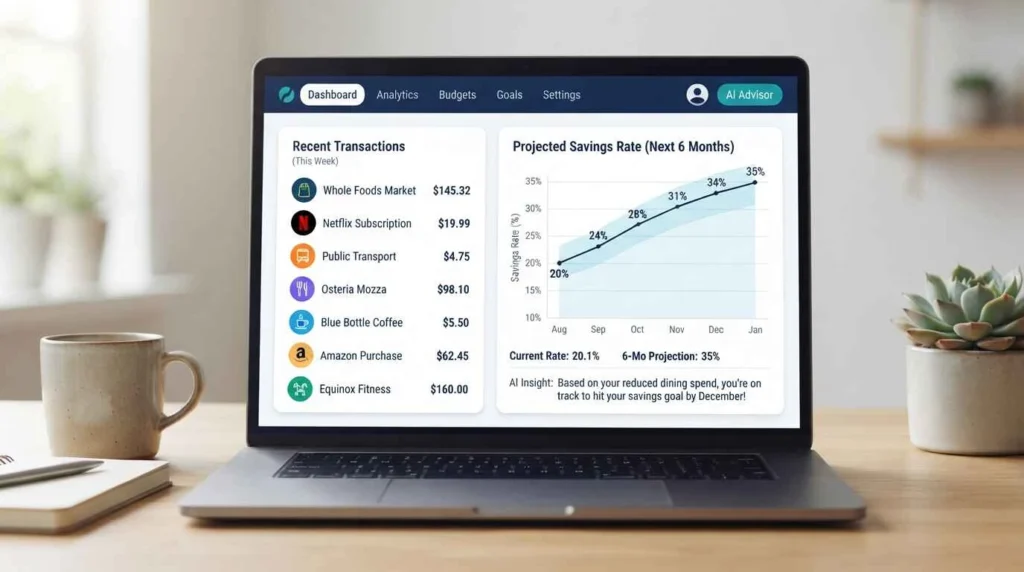
A decade ago, personal finance software meant a spreadsheet or a bank app that showed a balance and a list of past transactions. Next generation personal finance flips that model. Instead of reporting what already happened, these tools reason across your full financial picture, including income, spending, debt, and investments, and connect the dots between them.
Origin’s AI Advisor is a useful example. Rather than simply labeling an Uber charge as “transportation,” it checks whether rising rideshare spending is quietly slowing down a savings goal or pushing back a target like an emergency fund. That kind of cross-referencing used to require a human advisor sitting down with months of statements. Now it happens automatically, every time a transaction posts. Before trusting an AI tool with the whole decision, it helps to know how a human advisor gets compensated for the same job, since the incentives aren’t always the same.
From Static Budgets To Predictive Financial Systems
Budgeting used to mean logging expenses after the money was already spent. Predictive systems try to catch problems before they show up on a statement.
AI Budgeting Apps That Learn From Your Corrections
Tools such as Cleo and Monarch classify transactions automatically, then adjust their own categorization rules whenever a user corrects a mistake. Over a few months, the app starts to recognize patterns a person might miss entirely.
Financial analytics firm SR Analytics documented a case where a client’s “occasional” food delivery habit was actually happening close to five times a week, adding more than a thousand dollars a month to spending the client had never tracked by hand. The AI didn’t just flag the total. It projected what that money could be worth years later if invested instead.
Forecasting Cash Flow Before Problems Start
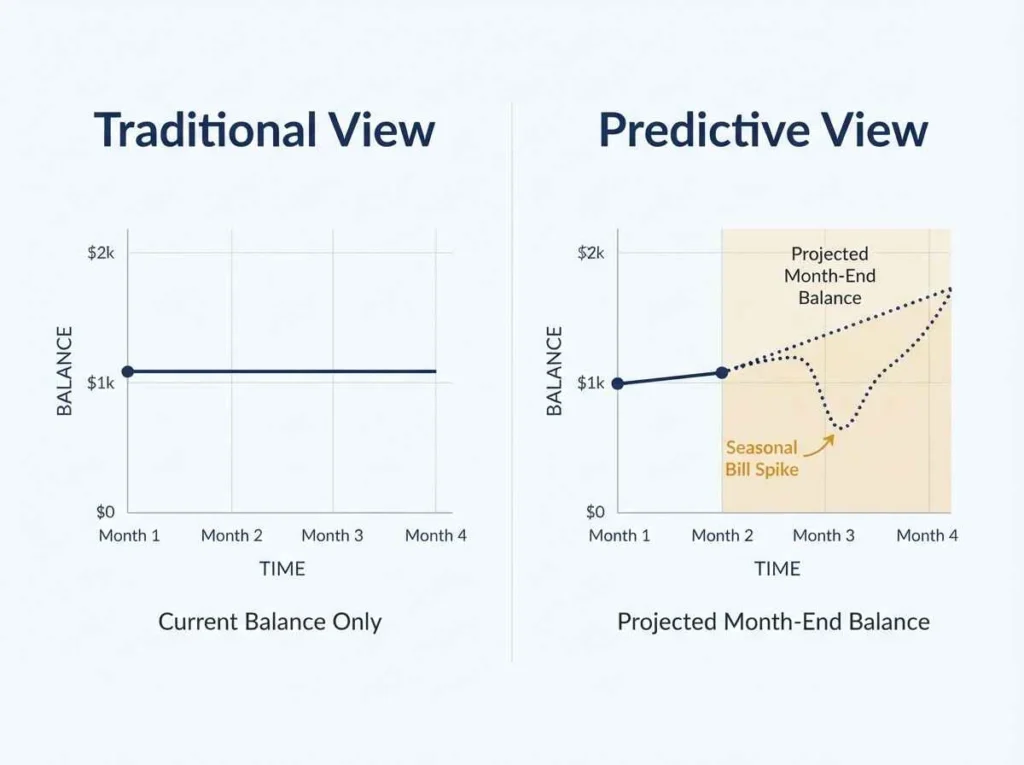
Machine learning models look at income timing, recurring bills, and seasonal patterns to project a month-end balance, not just a current one. A utility bill that spikes every July isn’t treated as overspending. The system recognizes it as a seasonal pattern and adjusts the forecast instead of raising a false alarm.
Robo-Advisors Are Changing Who Gets To Invest
Investing used to require either a few thousand dollars and a human advisor, or a basic robo-advisor that picked from a handful of preset portfolios. AI-driven platforms now sit somewhere in between.
PortfolioPilot, for example, connects to accounts across more than 12,000 financial institutions and scans a portfolio for sector overexposure, cash drag, and tax inefficiencies, the kind of analysis that once needed a paid advisor and a spreadsheet. Some robo-advisors now let a new investor start with as little as a dollar, which matters most for people who were priced out of traditional advice entirely.
Conversational AI Assistants Enter The Money Conversation
In June 2026, OpenAI rolled out a personal finance experience inside ChatGPT to Plus and Pro users in the United States, after first testing it with a smaller group. Once a person connects their accounts, ChatGPT can answer questions grounded in real balances and transactions instead of generic advice, and it can save context like a mortgage or a savings goal for future conversations.
This matters because people were already asking chatbots about money. OpenAI has said that well over 200 million people come to ChatGPT every month with budgeting questions, investment comparisons, and financial planning questions. Grounding those answers in a person’s actual accounts is a meaningful shift from a generic chatbot giving generic advice.
Real-Time Fraud Detection Powered By Machine Learning
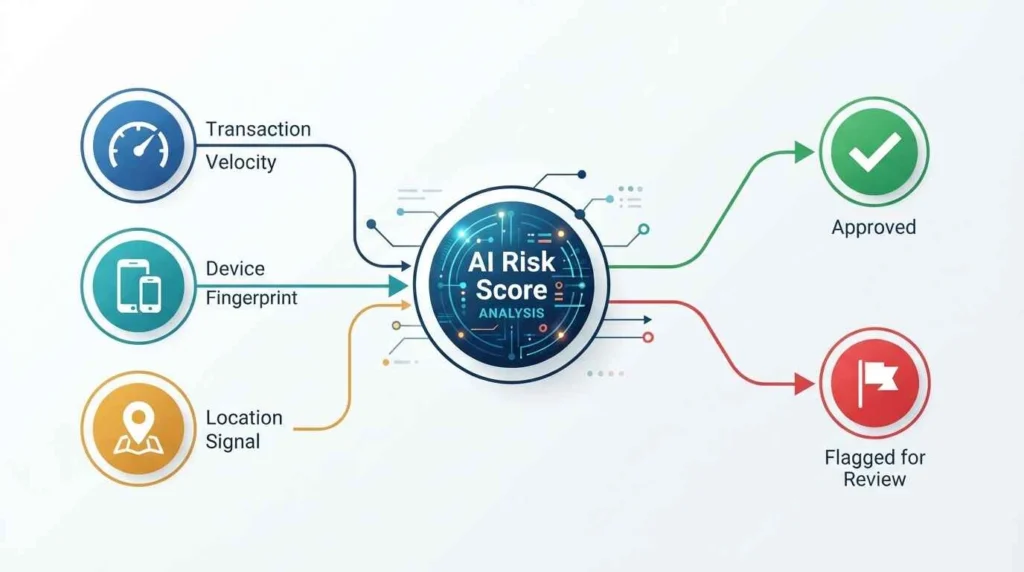
Fraud detection used to mean a bank flagging a transaction after it already happened, sometimes days later. AI-driven systems now watch transaction velocity, device fingerprints, and location data at the same time, which cuts down on both missed fraud and false alarms.
That said, this doesn’t replace basic account hygiene. Multi-factor authentication and unique passwords still matter, because AI can only protect an account as well as the infrastructure and permissions behind it are built.
All-In-One Platforms Replace The App-Switching Habit
A few years ago, a typical setup meant one app for budgeting, another for investing, and a spreadsheet for taxes. Integrated platforms now combine these into a single system that shares data across every feature instead of treating them as separate problems.
Quicken Simplifi is one example of this shift. It has been named Best App for Planners by CNBC Select multiple years running and picked up PC Magazine’s Reader’s Choice award for personal finance software in both 2025 and 2026. Recognition like that points to a broader move toward tools that handle budgeting, investing, and planning together instead of as three separate downloads.
Privacy, Compliance, And What AI Still Can’t Do
None of this replaces professional advice for complicated situations. Tax strategy, estate planning, and major life decisions still benefit from a licensed advisor who can be held accountable for what they recommend. AI is genuinely useful for spotting patterns and running quick scenarios, but it operates on the data it is given, and it doesn’t carry a fiduciary duty the way a Certified Financial Planner does.
Compliance also varies a lot between platforms. Some tools run inside formal financial compliance frameworks with audit logging and regulatory safeguards. Others are closer to a general-purpose chatbot with a finance skin on top. It’s worth checking which one you’re actually using before connecting a bank account.
Getting Started With Next-Generation Personal Finance Tools
Start with one account and one goal instead of connecting everything at once. A person mainly worried about overspending should try an AI budgeting app first. Someone trying to invest for the first time is better served by a robo-advisor built for small balances. Anyone managing multiple accounts, debts, and goals at once will likely get more value from an integrated platform.
Whichever tool you pick, treat the AI’s output as a starting point for a decision, not the decision itself, especially for anything involving taxes, large purchases, or retirement accounts.
FAQ’S
1: What Is Next-Generation Personal Finance?
It’s next-generation personal finance software built around prediction and automation instead of manual tracking. Instead of just logging what you spent, these tools forecast cash flow, catch fraud in real time, and answer financial questions using your actual account data.
2:Is AI Personal Finance Software Safe To Use?
Safety depends on the platform’s security setup, not on AI itself. Look for bank-level encryption and tokenized account connections instead of shared passwords, and keep multi-factor authentication active even after you connect an AI tool.
3:Can AI Replace A Financial Advisor?
Not for complex decisions. AI is strong at pattern recognition and quick scenario modeling, but it doesn’t carry the fiduciary responsibility a Certified Financial Planner does. Most people get the most value from using AI tools for day-to-day management and a human advisor for major decisions.
4:What’s The Difference Between A Robo-Advisor And An AI Budgeting App?
A robo-advisor manages and invests your money automatically based on your risk tolerance and goals. An AI budgeting app tracks and categorizes spending, but it doesn’t place trades or manage a portfolio. Many integrated platforms now do both.
5:How Much Does Next-Generation Personal Finance Software Cost?
It ranges from free to a few thousand dollars a year, depending on the features. Basic AI budgeting apps are often free or a few dollars a month, while full investment-tracking platforms for complex portfolios can run several hundred to a few thousand dollars annually.