

Most people search for the “best” car insurance company expecting a single name to fall out of the results. That is not how this works. The best car insurer for a 22 year old with a speeding ticket is rarely the best one for a 55 year old with a clean record and a paid off SUV. Rates, discounts, and even claims handling quality shift based on your state, your driving history, and what you actually drive.
What you can do is understand the factors that separate a genuinely strong insurer from one that just advertises well, then match those factors to your own situation. That is what this guide walks through. A quote that comes back far above what a friend pays for a similar car is often a sign of landing in the non-standard auto insurance market rather than a bad insurer.
What Actually Makes a Car Insurance Company the Best
1: Price Is Only Half the Story
A cheap premium that gets worse every renewal is not a deal. Insurers price aggressively in year one to win your business, then raise rates at renewal once you are less likely to shop around. When you compare companies, ask for a multi-year rate history if the agent has access to one, or at least check whether the insurer has a reputation for steep renewal increases. A company with a slightly higher first year quote and a flatter rate trajectory usually costs less over three years. Rates also shift a lot by city — Seattle’s actual rate breakdown shows just how wide that gap can get between insurers in the same market.
2: Claims Handling Is Where Insurers Actually Prove Themselves
Anyone can sell a policy. The real test of an insurance company happens after an accident, when you need a rental car covered, a repair shop approved, and a check issued without a month of back and forth. Look at how an insurer handles direct repair programs, how fast it typically pays out, and how its complaint ratio compares to its size. State insurance department websites publish complaint data for free, and it is worth five minutes before you buy.
3: Financial Strength Determines Whether the Company Can Pay
Financial strength ratings, published by agencies like AM Best, tell you whether an insurer has the reserves to pay claims during a bad year, such as one with heavy storm or wildfire losses. A company offering the lowest quote in your area does you no good if it becomes insolvent after a major catastrophe year. Stick to insurers with strong ratings even if it costs a bit more monthly.
Best Car Insurance Companies by Category
No single insurer wins every category, so here is how the strongest options tend to break down.
1: Best for Overall Value
Insurers with strong claims satisfaction scores and premiums that stay reasonably close to the market average tend to win this category. These companies usually combine solid digital tools with a real local agent network, so you are not stuck choosing between convenience and personal service.
2: Best for Drivers with a Clean Record
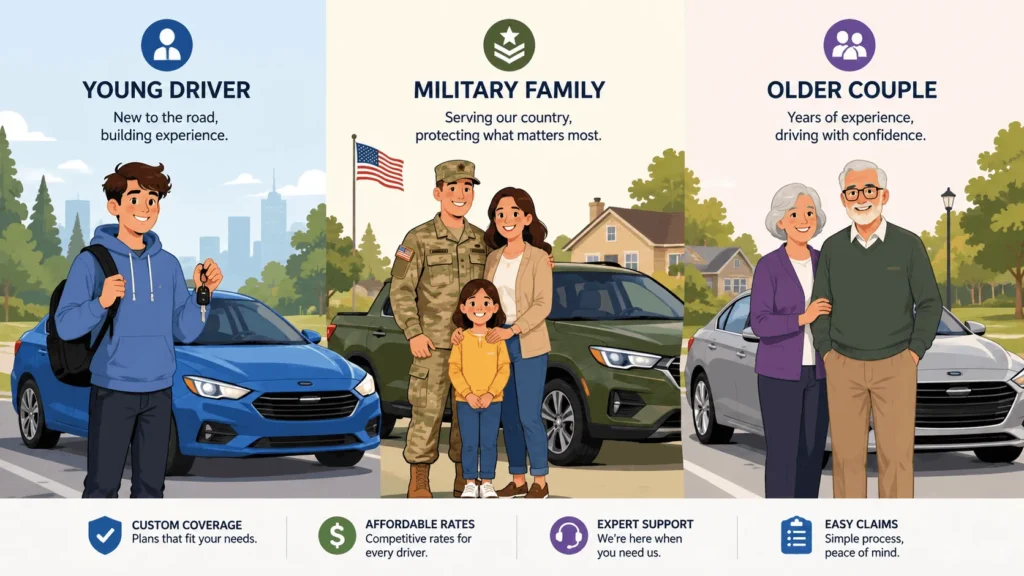
If you have no accidents or violations, you have leverage. Companies that reward clean records heavily with accident forgiveness programs and loyalty discounts will save you the most here, and the difference between the cheapest and most expensive quote for a low risk driver can be significant.
3: Best for Young or New Drivers
Rates for drivers under 25 run high across every company, but the gap between insurers is wider than most people expect. Companies with strong telematics programs, the ones that track your actual driving through an app and adjust your rate based on real behavior, tend to offer the fastest path to lower premiums for newer drivers who drive carefully.
4: Best for High-Risk Drivers
If you have a DUI, an at-fault accident, or a lapse in coverage, standard market insurers may decline you or price you out. Non-standard insurers specialize in exactly this group and often provide the only realistic path back to affordable coverage. Expect to pay more regardless of company, but shop specifically among non-standard carriers rather than assuming your regular insurer is your only option.
5: Best for Bundling Home and Auto
Bundling home or renters insurance with auto coverage through the same company can meaningfully lower your combined premium, often by well over 10 percent. The insurers that do bundling best tend to have strong offerings in both lines rather than treating one as an afterthought, so check that the home or renters side is competitive too, not just the auto discount.
6: Best for Military Families and Veterans
If you or a family member has military service, membership based insurers built specifically for that community consistently post some of the strongest customer satisfaction scores in the industry, alongside competitive pricing. Eligibility rules vary, so confirm your specific connection qualifies before assuming you are locked out.
How Much Does Car Insurance Actually Cost
Nationally, full coverage car insurance runs somewhere in the range of $200 to $210 a month on average, while a state minimum liability only policy typically costs well under half that. Your actual number depends heavily on your state, your ZIP code, your age, your vehicle, and your driving record, so treat national averages as a rough benchmark rather than a prediction of your own quote.
The spread between the cheapest and most expensive insurer for the same driver profile is often more than $100 a month. That gap alone is the strongest argument for getting at least three quotes before renewing a policy on autopilot.
Full Coverage vs Liability Only: Which Do You Need
Liability only insurance covers damage and injuries you cause to others. It does not pay to repair or replace your own vehicle. This coverage level makes sense if your car is old enough that repair costs would exceed its value, since you would likely total it out and walk away with a small payout regardless of coverage level.
Full coverage adds collision and comprehensive protection, covering your own vehicle against accidents, theft, weather, and vandalism. If you are still making loan or lease payments, your lender almost certainly requires full coverage. Even once a car is paid off, full coverage is usually worth keeping until the vehicle’s value drops low enough that the annual premium starts approaching what you would recover in a claim.
How to Compare Quotes Without Getting Overwhelmed
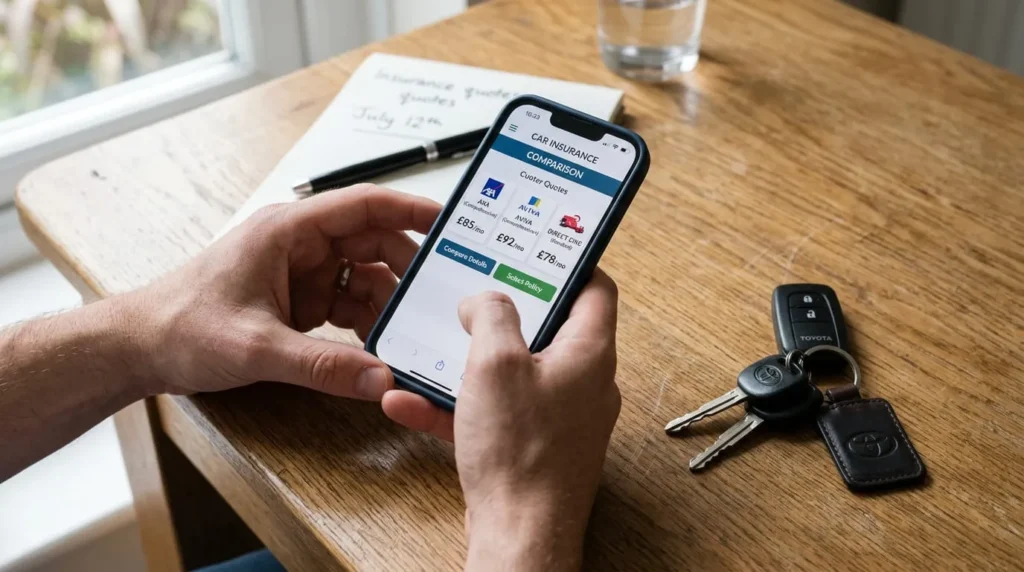
Get quotes from at least three companies using identical coverage limits and deductibles each time. Comparing a $500 deductible quote from one insurer against a $1,000 deductible quote from another will give you a distorted picture of who is actually cheaper. Keep a simple spreadsheet with premium, deductible, liability limits, and any add ons like roadside assistance or rental reimbursement, so you are comparing the same policy shape across every company.
Ask each insurer directly about discounts you might qualify for, including safe driver programs, low mileage discounts, good student discounts, and multi-policy bundling. These are not always applied automatically, and some require you to ask.
Red Flags That Signal a Bad Insurance Company
A pattern of delayed claims payments, a high complaint ratio relative to the company’s market share, and pressure to accept a lowball settlement without explanation are the clearest warning signs. Also watch for insurers that make it difficult to reach a live claims adjuster, since that friction tends to show up exactly when you need help most, right after an accident.
When It Makes Sense to Switch Companies
Shop your policy every one to two years, even if you are happy with your current insurer. Loyalty rarely earns you a better rate in this industry, and many companies price new customers more aggressively than existing ones. A major life event, buying a home, adding a teen driver, paying off your car, moving to a new state, is also a natural trigger to re-shop, since your risk profile and available discounts have likely changed.