
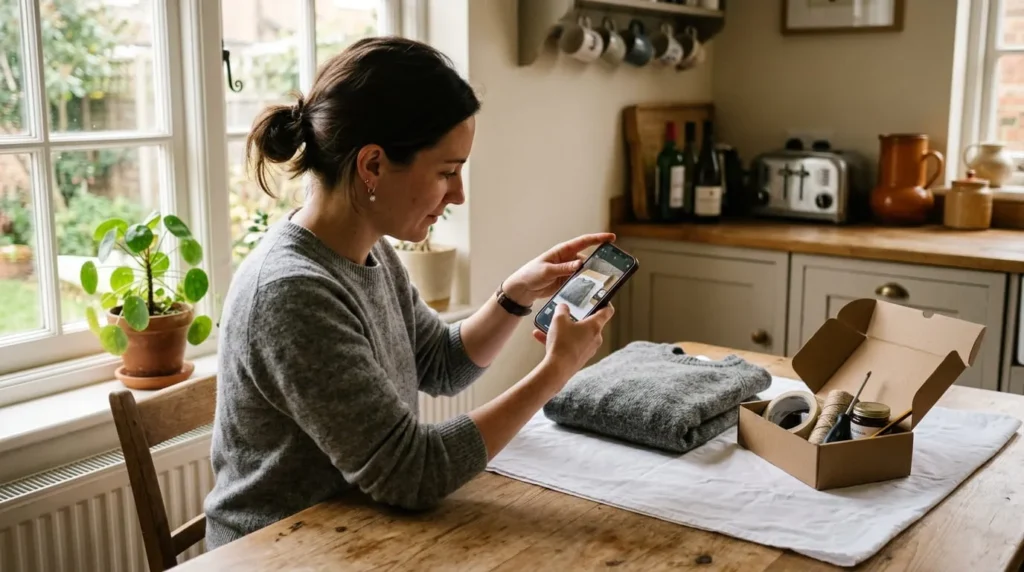

The fastest way to answer where to sell used items is to match the item to the platform: local marketplaces for anything bulky or free to list, resale apps for clothing, trade-in sites for electronics, and eBay for pretty much everything else. No single site is the best fit for every category, so this guide splits the options up by what you are actually trying to get rid of, plus a few habits that help things sell faster once you have picked a platform. Most of these tools are free to try, so there is little downside to listing the same item on two or three sites at once and seeing which one moves it first.
Start Local for Fast Cash
Facebook Marketplace is usually the quickest option because it is free to list and puts your item in front of people nearby, so there is no shipping to arrange. Add a clear price, a few honest photos, and a short description, then plan to meet buyers in a public spot such as a store parking lot or a police station lobby that allows exchanges.
Craigslist works the same way and still gets steady traffic in most cities, though its text-heavy search means specific details like brand, size, and condition matter more for showing up in results. OfferUp is a mobile-first alternative with in-app messaging; meeting in person is free, while using its shipping option adds a service fee. Nextdoor is worth checking too, since it reaches verified neighbors who are often willing to pay full price to avoid a drive across town.
If you have a whole houseful of items rather than a handful, an old-fashioned yard sale still beats listing everything online one by one. It takes a weekend and a few signs at the corner, but it clears large volumes of low-value items in a single morning instead of weeks of individual back-and-forth messages. Anything left over at the end of the day can usually go straight to a donation drop-off on the way home.
Sell Almost Anything on eBay
eBay remains the default answer for selling used items of almost any kind, from electronics and collectibles to auto parts and home goods, because its buyer base is large and already searching for secondhand listings. You get 250 free listings a month, and eBay charges a final value fee of up to roughly 14 percent plus a small per-order fee once an item sells. Choose a fixed price if you want a predictable sale, or an auction if you are curious what a rare item might actually fetch.
Before you list, search “completed items” for the same product to see what similar listings actually sold for rather than guessing at a price. Clear photos from multiple angles, including any flaws, cut down on returns and disputes later. For anything worth real money or collectible, including a receipt or authentication note in the listing tends to build enough trust to justify a higher asking price.
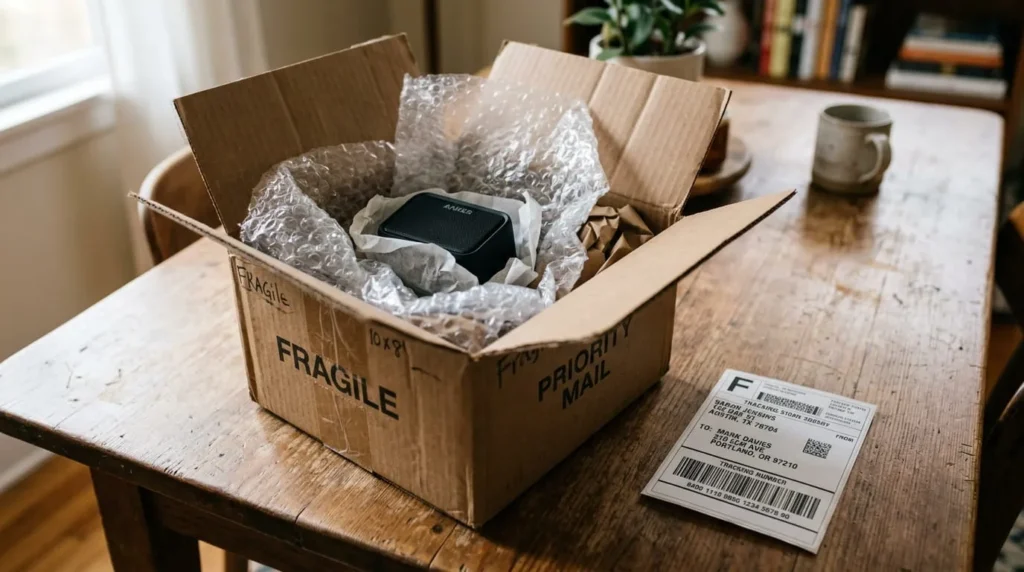
Once an item sells, eBay generates a discounted shipping label you can print at home or at a local shipping counter, and buyers can track the package from your account. Payment is held until the order is marked delivered, which protects both sides if something goes wrong in transit. Personal accounts work fine for occasional sellers, while anyone listing regularly may prefer a business account for the added reporting tools.
Move Clothes and Accessories Faster
Clothing sells fastest on apps built specifically for it. Poshmark and Mercari both work well for general secondhand clothing and let you set your own prices and handle your own photos. Depop leans younger and more trend-driven, which helps for streetwear or vintage pieces.
If listing and photographing every item sounds like too much work, ThredUp offers a mail-in option: request a clean-out bag, fill it, and ship it for free, and ThredUp handles the photos and pricing. The trade-off is a smaller cut of the sale, often in the 5 to 30 percent range depending on the item’s price, though it climbs higher for pricier pieces. This route suits anyone clearing out a closet in one pass rather than listing items one at a time.
A local consignment store is worth checking too, especially for designer pieces or formalwear that photograph better in person than in a phone shot. Most consignment shops split the sale roughly 50-50 and only take items in excellent condition, so call ahead or check their intake policy before hauling over a full bag.
Cash In on Electronics
Old phones, tablets, and laptops hold resale value longer than most people expect, and trade-in sites make selling them close to instant. Gazelle and Decluttr give you a quote based on the model and condition, then pay out once they receive and inspect the device, usually within a few business days. Swappa works differently: it connects you directly with a buyer, so you set the price yourself and typically earn more than a straight trade-in, though it takes longer to sell.
For higher-end electronics or anything still under warranty, eBay often beats trade-in sites on price, since buyers there are shopping for a specific model rather than accepting whatever a company offers. Wipe personal data and reset any device to factory settings before it ships, regardless of which route you choose.
Carrier trade-in programs are another option worth a quick comparison, particularly if you are already upgrading a phone through that carrier, since the trade-in credit sometimes applies directly to a new device instead of arriving as cash. It is usually a smaller payout than selling directly to a buyer, but the process takes minutes rather than days.
Offload Furniture and Bulky Items
Furniture and other large items rarely make sense to ship, so local pickup is almost always the better move. Facebook Marketplace and Craigslist both handle bulky listings well, and being upfront about pickup logistics, such as stairs or a narrow doorway, saves everyone a wasted trip. Photograph the piece in good light from a few angles, and mention the dimensions in the listing so buyers can check it will actually fit their space.
For higher-end furniture, a local consignment shop or a site like AptDeco (available in a handful of major cities) will list and sometimes deliver the piece for you, in exchange for a cut of the sale price. This costs more than selling it yourself, but it works well for anyone who does not want strangers coming to the house.

Facebook Marketplace also runs local buy-and-sell groups organized by neighborhood or city, which tend to move furniture faster than a general listing since members already expect to browse for larger items. Pricing furniture slightly below what a similar new piece costs, and being flexible on pickup times, are usually the two biggest factors in how quickly it actually sells.
Sell Books, Games, and Media
Books, video games, and DVDs rarely bring in much per item, so it usually makes more sense to sell them in bulk than to list them one at a time. Decluttr will quote a price for a whole box of books, games, or CDs based on their barcodes and pay for shipping, which is a fast way to clear a shelf. For individual titles with real resale value, such as recent hardcovers or rare editions, Amazon and AbeBooks tend to pay more than a bulk buyback service.
A specialty used bookstore can also appraise a larger collection in person, particularly if it includes anything genuinely rare or out of print, where an online price lookup will not reflect the real value.
Video games hold value differently than books do, since a title’s price often depends more on how recently it was released than on its condition. Checking a current buyback quote before selling a game in bulk is worth the extra minute, since prices on newer releases can shift within weeks of a sequel announcement.
Price, Photograph, and Stay Safe
Across every platform, the listings that sell fastest share the same habits: clean, well-lit photos from multiple angles, a specific and honest description, and a price backed by a quick search of what similar items actually sold for. Overpricing is the most common reason a listing sits untouched for weeks.
For local sales, meet in a well-lit public place and keep payment inside the app or platform whenever one is available. Be wary of any buyer who wants to pay outside the platform, asks you to ship before payment clears, or requests personal information beyond what a normal transaction needs. Those requests are common red flags, and legitimate buyers rarely have a reason to push for them.
It also helps to check each platform’s return policy before you list, since a few marketplaces automatically side with the buyer in a dispute even when the item was described accurately. Keeping your own copies of the listing photos and description gives you something to point back to if a buyer claims the item did not match what was posted.