
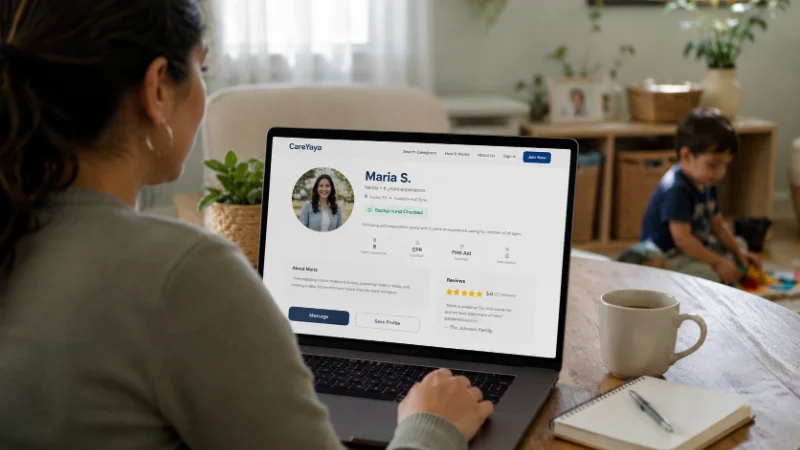

Is Care.com legit? Yes. It is a real, long-running marketplace that connects families with babysitters, nannies, senior caregivers, pet sitters and tutors. Millions of people have used it without trouble.
Legit does not mean risk-free, though. It also does not mean every listing, profile or membership pitch deserves your trust.
This guide explains how the platform works and what its background checks cover. It also covers what the FTC found and whether Care.com is worth paying for.
Is Care.com Legit? The Short Answer
Care.com is a legitimate company. It launched in 2006, it is owned by IAC, and it runs with real support channels, real payments and real customers. Signing up will not cost you money to a fake storefront.
The better question is what kind of legit it is. Care.com is a marketplace, not an employer or an agency. It introduces you to people. It does not guarantee who they are, how they behave or whether the match will work.
Care.com says it does not employ caregivers and is not responsible for what its users do. Treat it as a place to find candidates, then screen them yourself.
What Is Care.com?
Care.com is an online marketplace for paid care. Sheila Marcelo founded it in 2006 to solve one problem: finding a trustworthy babysitter. It has since grown well beyond childcare.
What You Can Hire or Find on Care.com
Families use it to hire babysitters, nannies, after-school helpers, tutors and housekeepers. It also lists senior care companions, caregivers for people with special needs, pet sitters and dog walkers.
Caregivers use it to find work in those same categories. Some families post a job and wait for applicants. Others browse profiles and message people directly.
How Care.com Makes Money
Care.com earns most of its revenue from memberships. Families can usually create a free account and post a job. Contacting caregivers directly generally requires a paid plan.
Caregivers can build a free profile, but upgrades are sold to apply for more jobs or stand out. The company also sells upgraded background checks and a payroll service for households that employ nannies.
This model explains most complaints you will read online. The core product works. The upsells and billing practices cause the friction.
How the Care.com Background Check Works
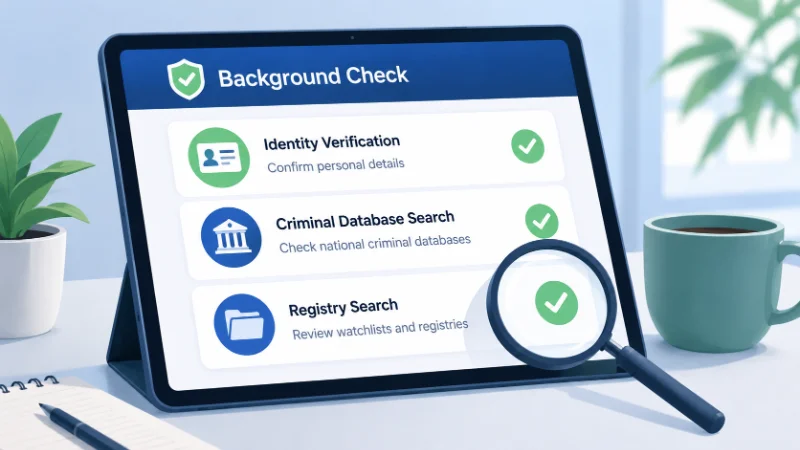
Care.com requires caregivers to complete its own background check, formerly called CareCheck. It typically covers a Social Security number trace, a national criminal database search and a sex offender registry search. The company says it repeats the check each year for active caregivers.
That is a useful first filter. It is not a full screening.
National databases are built from many sources, and they lag behind real events. A recent arrest or a record from a small county can be missing. The check also cannot tell you whether someone is patient, punctual or good with a toddler.
Experience, certifications and rates are mostly self-reported. Treat them as claims until you confirm them. If CPR training or a nursing license matters for the job, ask for proof and check it with the issuing body.
Families can pay for upgraded checks. Depending on the package, these add deeper county-level searches and other records. If someone will be alone with a child or an older adult, the upgrade is worth considering. Pair it with the steps below.
The FTC Settlement and the 2019 Listings Problem
What the FTC Alleged
In August 2024, the Federal Trade Commission announced an $8.5 million settlement with Care.com. The agency alleged that the company used inflated job numbers and earnings claims it could not support. It also alleged that paid subscriptions were hard to cancel.
The money funds refunds to affected consumers. The order requires Care.com to back up earnings claims, describe job availability honestly and make cancellation simpler. Care.com disputed the allegations and said the settlement does not validate them.
What Happened in 2019
In 2019, a Wall Street Journal investigation found daycare listings that claimed state licenses they did not hold. Care.com then removed nearly 47,000 unverified daycare listings, about 45 percent of those in its database.
The lesson in both cases is the same. A large marketplace can grow faster than its quality control. Neither episode shows that Care.com is a scam. Both show why you should verify claims yourself.
Is Care.com Safe for Families?
Safety depends more on your process than on the platform. A careful family on Care.com is safer than a careless one anywhere. Use this sequence for any caregiver who will be alone with your child or relative.
- Keep early messages on the platform, so there is a record and its reporting tools still apply.
- Hold a video call before meeting in person. Check that answers match the profile.
- Call at least two references yourself. Ask about a problem that came up, not only what went well.
- Order an upgraded background check and confirm the ID matches the profile.
- Pay for a trial shift while you are home.
- For daycare, ignore licensing claims in a listing and check your state’s childcare licensing database directly.
Trust your reaction during the trial shift. A candidate who looks perfect on paper but makes your child uneasy is not the right hire.

Read profile reviews with some care. Reviews come from families who hired that person, so they are useful. A new caregiver with no reviews is not automatically a risk. Be warier of a profile with glowing reviews but a vague work history, since polished text is easy to write.
Is Care.com Safe for Caregivers?
Caregivers face a different risk: fake job offers. A common version is a check sent early, with a request to forward part of it. The check bounces after you have sent real money.
Other warning signs include pay far above local rates for light work and a push to leave the platform right away. Watch for a family that refuses to meet or video chat. Be wary of any request for your Social Security number. Care.com says it asks for your number only to run its own background check at enrollment.
Report suspicious profiles using the report option on the profile. Blocking a user hides them from you, but it does not alert Care.com. Do both.
Treat earnings claims with caution. Pay depends on your city, experience and services. Check local babysitter and nanny rates before you accept a job or pay for an upgrade.
Is Care.com Worth It?
For Families
Care.com is worth it when you want flexibility and are willing to screen. It suits occasional babysitting, backup care, after-school help and tutoring. A paid plan makes sense for a one to three month search, not a year-round subscription.
Check the plan length before you pay. Set a reminder before renewal, and cancel once you have hired someone. If you subscribed through an app store, cancel there, not on the Care.com site.
Compared with an agency, Care.com costs far less but moves the screening work to you. Agencies charge a placement fee because they do that work. You are trading money for time.
For Caregivers
Care.com works as one source of leads. Start with the free profile and see what local demand looks like. Upgrade only if families near you are posting jobs that match your skills and schedule.

A complete profile helps more than a paid badge. Add a clear photo, specific experience, certifications such as CPR, and your availability. Families skim, and details separate you from the crowd.
Payments made through the platform may carry a fee. Payments made off the platform carry no protection if something goes wrong.
When Care.com Is the Wrong Choice
Some situations call for a different route. A full-time nanny role involves tax and payroll duties. A nanny agency or a household payroll service handles those better than a job post alone.
For licensed group care, skip the marketplace and use your state’s licensing records. For skilled medical care at home, hire through a licensed home health agency. Companions on Care.com are not nurses.
For an urgent same-day need, response times vary. Have a backup plan.
Care.com Alternatives Worth Comparing
Sittercity and UrbanSitter cover childcare in a similar way. Rover and Wag focus on pet care. A Place for Mom is a referral service for senior living. Communities usually pay it, not families.
Nanny agencies screen candidates before presenting them, usually for a placement fee. Neighborhood groups, school contacts and a trusted friend’s referral remain some of the best sources.
Many families use two or three sources at once and compare candidates side by side.