
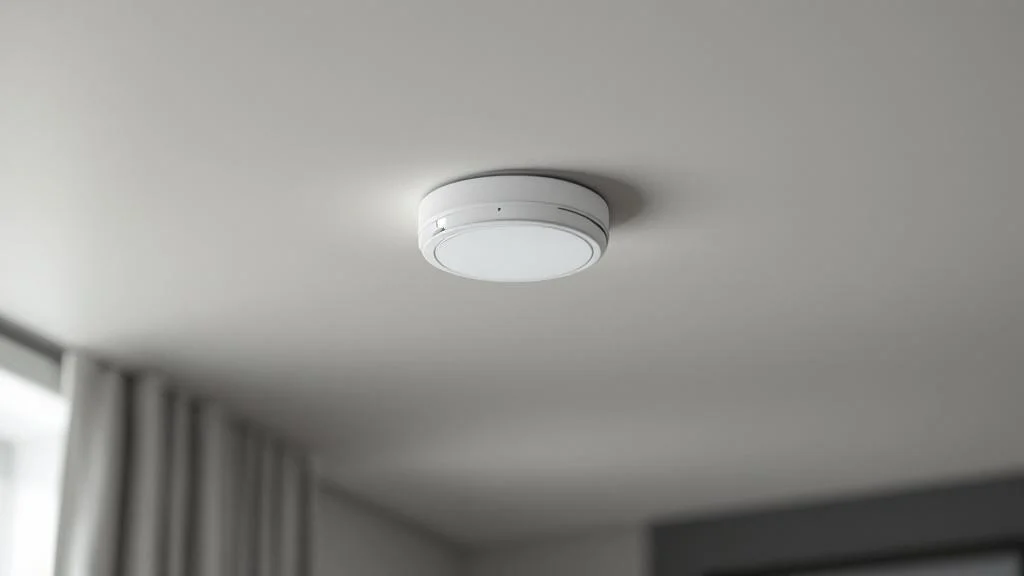

If you are wondering which fire detection system you should buy, the answer depends on your property, building size, fire risks, and budget. For most homes, interconnected smoke alarms with photoelectric and ionization detection provide a practical choice. Commercial buildings often need a professionally designed addressable fire alarm system that can identify the exact location of a fire.
Before purchasing anything, consider what you need to protect. A small house, apartment, office, restaurant, and warehouse do not have the same fire detection requirements. Choosing the right equipment helps you receive an early warning and gives occupants more time to leave safely.
What Is a Fire Detection System?
A fire detection system is a collection of devices that identify signs of fire, such as smoke, rising temperatures, or flames. Depending on its design, it can activate audible alarms, flashing lights, and notifications to alert people inside a building.
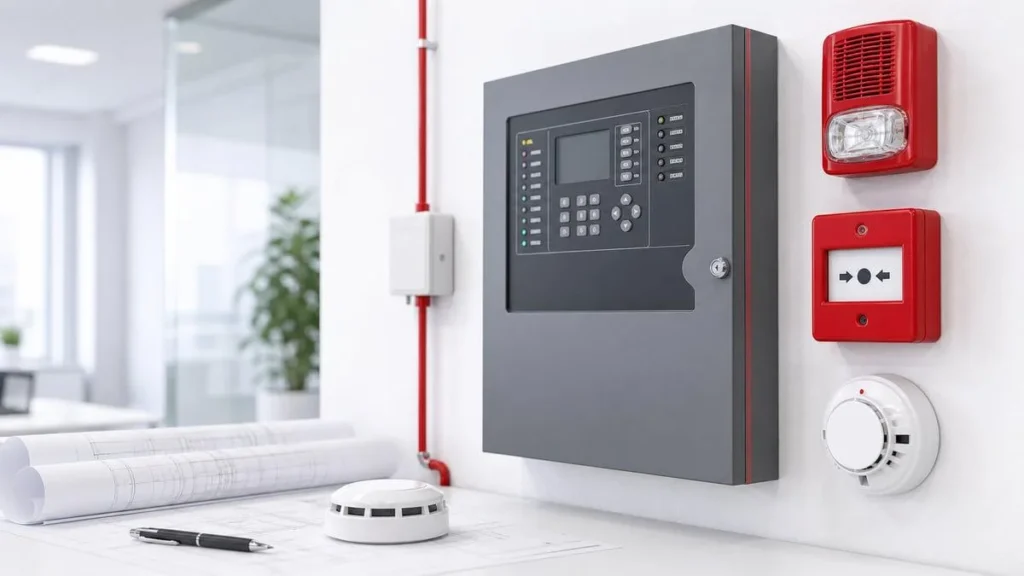
A basic residential setup may contain individual smoke alarms. Larger installations can include multiple detectors, a control panel, manual pull stations, and notification devices throughout the property.
Some systems also connect to a monitoring service that can notify emergency responders when an alarm activates. However, monitoring arrangements and emergency response procedures vary by provider.
Which Fire Detection System Should I Buy for My Property?
The most suitable option depends on the building you own or manage.
- Small homes and apartments: Choose listed smoke alarms with reliable battery backup and interconnected operation. Combination smoke and carbon monoxide alarms are useful where both hazards need detection.
- Large residential properties: Consider hardwired or wireless interconnected smoke alarms. This allows alarms in different rooms and floors to sound together.
- Small offices and retail stores: A conventional fire alarm system may work for a relatively simple building, provided it meets local requirements.
- Hotels, hospitals, and large commercial buildings: Addressable fire alarm systems are often a better fit because they identify individual devices and provide more detailed information.
- Warehouses and industrial facilities: Consider specialized smoke, heat, flame, or aspirating detection based on ceiling height, airflow, stored materials, and operational risks.
Remember that these are general starting points. Your local building and fire codes determine what equipment is required.
Types of Fire Detection Systems You Can Buy
Before comparing brands or prices, understand the main technologies available.
1. Conventional Fire Alarm Systems
A conventional system connects several detectors to a control panel through separate detection zones. When a detector activates, the panel identifies the affected zone rather than the exact device.
For example, the panel might show that an alarm has started on the second floor without identifying the specific room.
These systems can suit smaller buildings with straightforward layouts. Their relatively simple design can make them less expensive to purchase than larger addressable installations.
However, finding the exact location of an alarm may require checking several detectors within the affected zone.
2. Addressable Fire Alarm Systems
An addressable system assigns an individual identification address to each compatible detector and control device.
When an alarm activates, the control panel can identify the specific device and its programmed location. This makes it easier for building staff to investigate an incident.
Addressable systems are commonly considered for hotels, hospitals, schools, shopping centers, and large offices.
They generally cost more in equipment and require proper programming and technical maintenance. However, their detailed reporting can make them easier to manage in complex buildings.
3. Wireless Fire Detection Systems
Wireless fire detection systems communicate using radio signals instead of relying entirely on conventional detector wiring.
They can be useful in older buildings, renovated properties, and locations where installing new cables would be difficult.
Some wireless systems allow multiple detectors to communicate with a central control panel. They may also offer remote monitoring features.
Before buying one, check battery life, signal coverage, interference resistance, device compatibility, and backup arrangements.
4. Smart Fire Detection Systems
Smart fire detection systems connect compatible alarms to a mobile application or home automation platform.
Depending on the model, users may receive notifications when an alarm activates or when a device needs maintenance.
These systems can be convenient for homeowners who travel frequently or want to monitor their property remotely.
However, a smartphone notification should never replace a loud local alarm. Choose a properly listed product with dependable operation even when your internet connection is unavailable.
Smoke, Heat, or Flame Detection: Which Is Better?
The detection technology is another important buying decision.
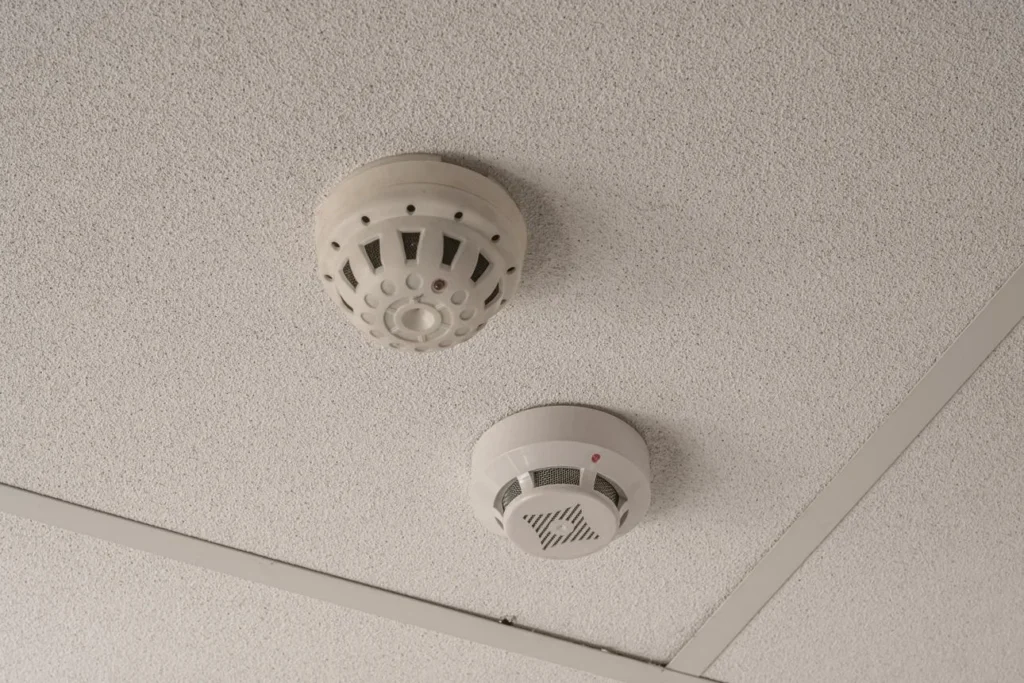
Smoke detectors: These devices identify smoke particles and are commonly used in residential and commercial fire protection. Photoelectric and ionization sensors detect different fire conditions.
Heat detectors: These devices respond to a temperature threshold or a rapid increase in temperature. They can be useful in environments where dust, steam, or cooking fumes may cause frequent smoke alarm activations.
Flame detectors: These devices detect the radiation produced by flames. They are often considered in industrial settings involving flammable materials, fuel storage, or specialized manufacturing processes.
Carbon monoxide detectors: These detect carbon monoxide, a dangerous gas produced by incomplete combustion. They provide a separate type of protection and should not be confused with smoke detectors.
For a home, a combination of appropriate smoke and carbon monoxide alarms is often a sensible purchasing decision. Commercial properties may need several detection technologies working together.
Important Features to Check Before Buying
A low price should not be your only consideration. Examine the following features before selecting a product.
- Safety certification: Look for appropriate testing and listing from a recognized testing laboratory. UL 217 covers smoke alarms, while UL 268 covers smoke detectors used in fire alarm systems.
- Power supply: Check whether the device uses replaceable batteries, sealed long-life batteries, or hardwired electrical power with backup.
- Interconnection: In a multiroom property, interconnected alarms can alert occupants throughout the building when one device detects smoke.
- False alarm management: Consider features designed to reduce nuisance alarms, particularly near kitchens and other challenging environments.
- Audible and visual alerts: Voice messages, flashing lights, and suitable notification devices can help people recognize an emergency.
- Maintenance requirements: Check testing procedures, battery replacement schedules, sensor life, and manufacturer support.
- Compatibility: For a larger installation, confirm that detectors, control panels, notification appliances, and monitoring equipment work together.
Never assume that two products from the same manufacturer are automatically compatible.
How Much Does a Fire Detection System Cost?
The price depends on the number of devices, technology, building size, installation complexity, and monitoring requirements.
A basic residential smoke alarm is generally much less expensive than a complete commercial fire alarm installation. Smart interconnected devices and combination smoke and carbon monoxide alarms can cost more than basic standalone models.
Commercial systems require a larger budget. Costs can include:
- Fire alarm control panels and detectors.
- Wiring, communication equipment, and installation labor.
- Manual pull stations and notification appliances.
- Programming, commissioning, and testing.
- Inspection, maintenance, and monitoring services.
Ask contractors for itemized quotations that separate equipment, labor, testing, and ongoing service charges. Comparing complete installation proposals is more useful than comparing detector prices alone.
How to Choose the Right System for Your Budget
Start by identifying the building’s purpose and the level of protection required.
For a small house, prioritize listed smoke alarms, suitable carbon monoxide detection, and interconnection. You may not need an expensive smart system if basic alarms already meet your needs.
For a small business, ask a qualified fire protection contractor whether a conventional or addressable system is appropriate. The building layout, occupancy, and local requirements will influence that decision.
For a large commercial property, consider an addressable system with suitable monitoring and notification features. Ask about future expansion, replacement parts, technical support, and maintenance costs.
Always request more than one professional quotation when purchasing a complete building-wide system.
Check US Fire Safety Requirements Before Installation
In the United States, fire detection requirements depend on the building’s occupancy, size, construction, and applicable state and local regulations.
NFPA 72, the National Fire Alarm and Signaling Code, covers fire alarm and signaling system requirements. The International Building Code and local fire codes may also affect which equipment is required.
For residential properties, the National Fire Protection Association recommends smoke alarms inside every bedroom, outside each separate sleeping area, and on every level of the home, including the basement.
The U.S. Fire Administration also recommends interconnected alarms so that when one sounds, the others sound as well.
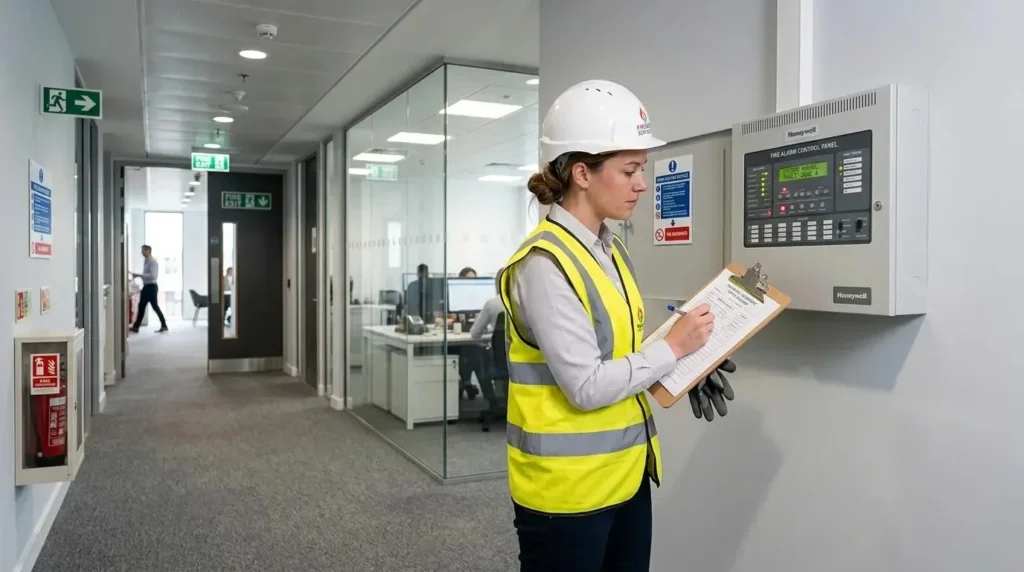
Check the requirements with your local fire marshal or authority having jurisdiction before purchasing equipment for a regulated property.
Final Recommendation: Which Fire Detection System Should You Buy?
The best fire detection system is the one that matches your building’s actual risks and legal requirements.
For most homeowners, properly listed interconnected smoke alarms with suitable carbon monoxide detection are a practical starting point. For small commercial buildings, a conventional system may be appropriate where permitted. For larger or more complex properties, an addressable system usually offers better device identification and management.
Do not choose equipment based on price or smart features alone. Check certification, installation requirements, compatibility, and maintenance support before making your purchase. If you are still deciding which fire detection system you should buy, consult a qualified fire protection professional who can assess your property and recommend a compliant solution.
Frequently Asked Questions (FAQs)
1. Which Fire Detection System Is Best for a Home?
An interconnected smoke alarm system with suitable photoelectric detection and carbon monoxide alarms is a practical choice for most homes. Choose listed devices that meet local safety requirements.
2. What Are the Different Types of Fire Detection Systems?
The main types include conventional, addressable, wireless, and smart fire detection systems. Each offers different features depending on building size, installation needs, and budget.
3. Is an Addressable Fire Alarm System Better Than a Conventional System?
Addressable systems identify the individual detector that activates an alarm, while conventional systems identify the affected zone. Addressable systems are generally more suitable for large or complex buildings.
4. What Is the Best Fire Detection System for Commercial Buildings?
Addressable fire alarm systems are often suitable for commercial buildings because they provide detailed device identification and centralized monitoring. The final choice depends on building requirements and local fire codes.
5. Are Wireless Fire Detection Systems Reliable?
Yes, properly designed and listed wireless fire detection systems can provide reliable protection. Check signal coverage, battery life, interference resistance, and compatibility before purchasing.
6. What Is the Difference Between Smoke Detectors and Heat Detectors?
Smoke detectors identify smoke particles, while heat detectors respond to temperature changes or specific temperature thresholds. Smoke detectors are commonly used for early fire warning, while heat detectors suit certain environments where smoke alarms may experience nuisance activations.