
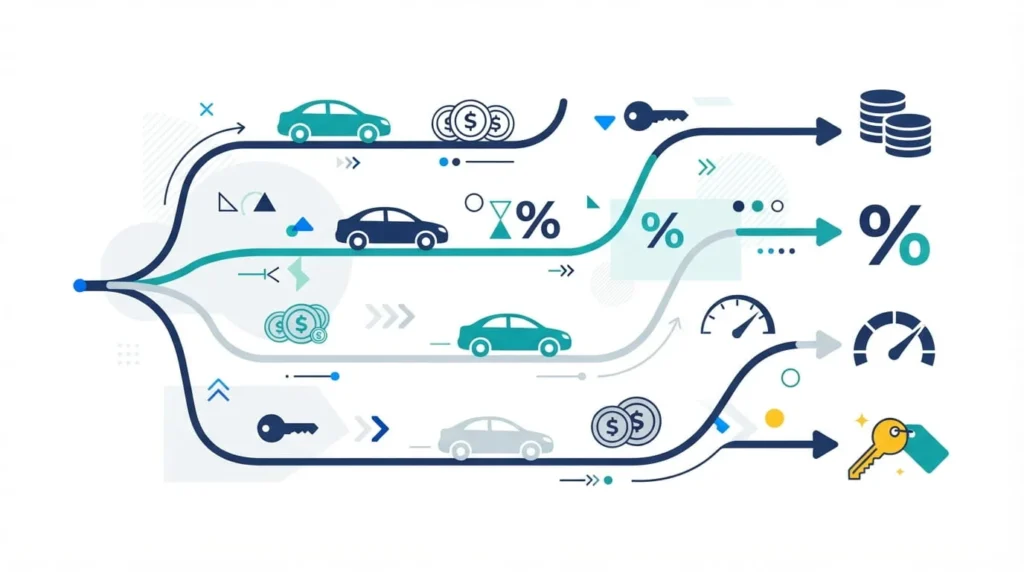

Most buyers finance a sports car through Personal Contract Purchase (PCP), Hire Purchase (HP), a secured personal loan, or leasing. Each spreads the cost differently: PCP and leasing lower your monthly payment but limit ownership, while HP and a personal loan cost more per month but leave you owning the car outright.
The Quick Answer
There’s no single “best” way to finance a sports car. It depends on whether you want to own the car outright, how much deposit you can put down, and how your credit profile looks to a lender. A buyer with a strong deposit and clean credit history usually has access to all four routes and can pick based on monthly budget. Someone with a smaller deposit or a thinner credit file may find PCP or a specialist broker more realistic than a straight personal loan.
Main Ways To Finance A Sports Car
1. Personal Contract Purchase (PCP)
PCP is the most common route for new and nearly-new sports cars. You pay a deposit, usually 10 to 20 percent of the car’s value, then fixed monthly payments over two to four years. At the end, you either pay a final lump sum (called the Guaranteed Future Value, or GFV) to keep the car, hand it back, or trade it in for something else. Because part of the car’s value is deferred to that final payment, your monthly cost is lower than HP on the same car.
2. Hire Purchase (HP)
HP works like PCP without the deferred balloon payment. You put down a deposit, then pay off the full remaining balance plus interest over the term, typically two to five years. Once the last payment clears, the car is yours outright with no final lump sum and no mileage restrictions to worry about.
3. Secured Or Unsecured Personal Loan
A personal loan lets you buy the car outright from any seller, private or dealer, rather than being tied to a finance package attached to one specific vehicle. A secured loan uses the car as collateral and usually carries a lower interest rate than an unsecured loan, since the lender has something to reclaim if payments stop.
4. Leasing (PCH)
Personal Contract Hire is renting rather than buying. You never own the car, but monthly payments are often lower than PCP or HP because you’re only paying for the vehicle’s depreciation during your contract, not working toward ownership. Mileage limits and end-of-lease condition checks apply, and going over your agreed mileage adds extra charges.
5. Dealer Or Specialist Finance
Sports car dealers and boutique brokers, especially in the supercar and classic car space, often arrange bespoke finance through a panel of lenders rather than a single high-street bank. This can help with higher loan amounts, unusual vehicles, or buyers with irregular income, such as the self-employed, though the tradeoff is usually a slightly longer application process to match you with the right lender.
What Lenders Look At Before Approving You
Every lender checks a similar set of things before approving sports car finance: your credit history, income stability, existing debt, and the age, mileage, and value of the car itself. Some lenders set a maximum age or mileage on the vehicle at the end of the agreement, which matters more for older performance cars than everyday models. A stronger credit score generally unlocks a lower APR, while missed payments, CCJs, or a thin credit file can mean higher rates or a smaller panel of lenders willing to offer terms.
How Much Deposit Do You Need
Most sports car finance deals ask for a deposit between 10 and 20 percent of the car’s value. A larger deposit lowers your monthly payment and can improve your approval odds, since it reduces how much the lender is risking. Some brokers offer no-deposit HP options, though these usually come with a higher monthly cost to make up the difference. Trading in an existing car can also count toward your deposit on either PCP or HP.
PCP Vs HP Vs Loan: Which Fits A Sports Car
If you like changing cars every few years and want the lowest monthly payment, PCP usually fits best, since the deferred balloon keeps your outgoings down. If your plan is to keep the car long term, HP or a personal loan work out cheaper overall, because you’re not paying interest on a value you never actually settle until later. A personal loan also gives you more freedom to buy from a private seller rather than only from dealer stock, which matters if you’ve found a specific used sports car outside the usual dealer network.
Steps To Get Approved For Sports Car Finance
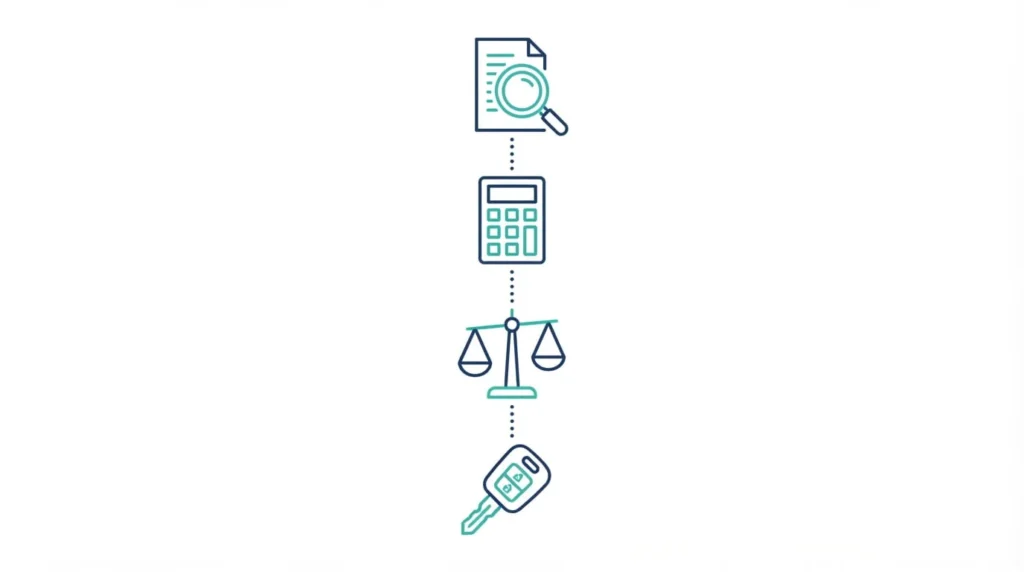
Check your credit report first, through Experian, Equifax, or TransUnion, and fix any errors before applying. Work out your realistic budget, including insurance and running costs, not just the loan payment, since sports cars often carry higher premiums than family cars. Get quotes from more than one source, comparing a dealer’s in-house offer against an independent broker, since dealers sometimes have manufacturer-backed rates while brokers can shop a wider lender panel. Decide your ownership goal before you compare numbers, since PCP and HP quotes on the same car can look very different depending on whether you plan to keep it or hand it back.
Common Mistakes To Avoid
Comparing monthly payments alone without checking the total cost of credit is the most common one. A lower monthly figure on PCP can still cost more overall once you add the final balloon payment and any excess mileage charges. Skipping the credit check before applying is another, since a soft search through most brokers won’t affect your score and can save you from a rejected hard application later. Underestimating running costs is a third, since insurance, tyres, and servicing on a sports car typically run higher than on a standard hatchback or saloon, and that gap can strain a budget that was only built around the monthly finance payment.
A Sample Sports Car Finance Example
Take a sports car priced at 40,000 pounds as an illustration. On PCP with a 6,000 pound deposit over four years, a lender might set monthly payments in the region of 450 to 550 pounds, with a final balloon payment of roughly 14,000 to 16,000 pounds if you want to keep the car. On HP with the same deposit and term, expect monthly payments closer to 750 to 850 pounds, but no balloon payment at the end. These figures are illustrative only. Actual rates depend on your credit profile, the specific lender, and current market rates, so treat this as a way to compare structure rather than a quote.
Frequently Asked Questions
1. What credit score do I need to finance a sports car?
There’s no single universal number, since each lender sets its own criteria. A stronger credit history generally unlocks lower APRs and a wider panel of lenders, while a thinner or weaker credit file may still get approved through a specialist broker, usually at a higher rate.
2. Is it cheaper to finance a sports car with PCP or HP?
It depends on whether you plan to keep the car. PCP usually has lower monthly payments but a large final balloon payment if you want to own the car outright. HP has higher monthly payments but no balloon, so it’s typically cheaper overall for long-term ownership.
3. Can I get a personal loan for a used sports car from a private seller?
Yes. An unsecured or secured personal loan pays out as cash, so you can buy from a private seller, dealer, or auction, rather than being restricted to a specific dealer’s finance package.
4. How much deposit do I need for a sports car?
Most lenders ask for 10 to 20 percent of the car’s value. A larger deposit lowers your monthly payment and can improve approval odds, and any trade-in value can usually count toward it.
5. Does financing a sports car cost more than financing a regular car?
The monthly payment itself follows the same PCP, HP, or loan structure as any car. What usually costs more is insurance, servicing, and tyres, since sports cars often carry higher running costs that should be budgeted for separately from the finance payment.