


You can make money on YouTube without making videos yourself by selling skills to creators, running a channel through hired talent, or earning commissions on products and licensed clips. None of these paths skips the work. They move it away from the camera and into a spot where you are stronger.
Below is how to make money on YouTube without making videos in late 2026 as a US beginner: seven paths, the Partner Program requirements behind them, and the rule changes that can end a plan early. One deadline matters more than the rest: new applicants for ad revenue face doubled thresholds starting February 1, 2027.
What Skipping Video Production Really Means
Anyone asking how to make money on YouTube without making videos usually wants one of three things. They do not want to be on camera, they do not want to edit, or they do not want to produce anything at all. Each version has a different realistic answer.
Staying off camera has the easiest fix, since faceless formats are common. Hating the edit means hiring it out. Wanting no involvement at all turns the question into one about ownership or a service business, where income depends on money you invest or a skill you sell.
One rule shapes every option below. Since July 2025, YouTube has treated mass-produced and templated uploads as inauthentic content, and AIR Media-Tech lists it as the most common reason for rejected Partner Program applications in 2026. A channel where nobody can say what the owner added gets turned down, however many views it has.
Seven Ways to Earn When You Are Not the One Filming
1. Sell Editing, Scripting, or Thumbnail Work to Creators
This is the fastest route to a first payment, because it needs no subscribers and no YouTube approval. Working creators need editors, scriptwriters, thumbnail designers, and caption help every week. The creator pays you, not YouTube.
Build a small sample package on a channel you admire. Recut one video, redesign a weak thumbnail, or rewrite a slow opening, then send it to creators with a few thousand subscribers, who can pay and still read their own inbox. Keep the pitch to four sentences.
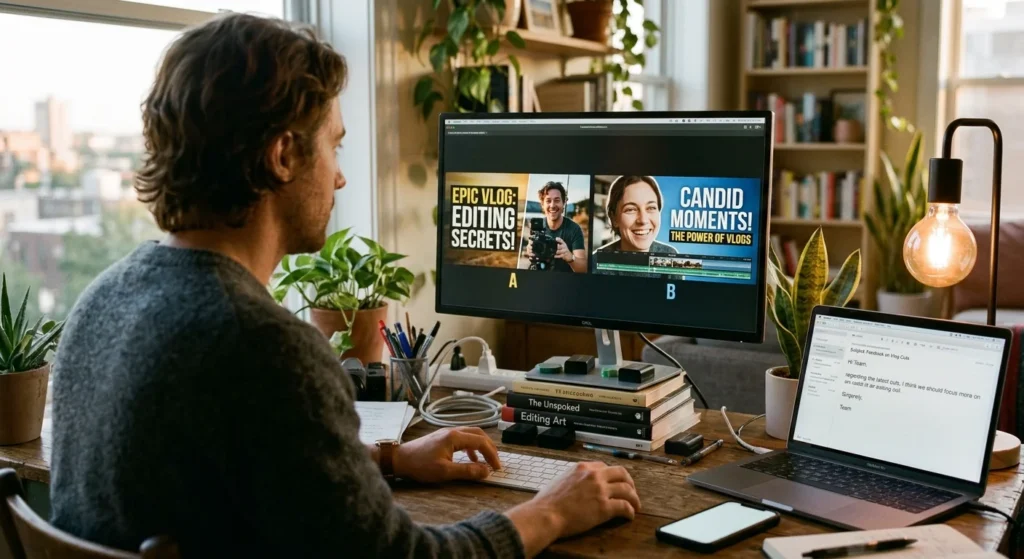
2. Run a Faceless Channel With a Hired Team
You own the channel, choose the topics, and pay freelancers for the script, voiceover, and edit. The videos still get made, just not by you.
The plan only holds if each video carries original value, such as your research, your commentary, or your own screen recording. Stock footage with machine narration is the pattern reviewers reject. You also pay for every video before the channel earns anything, so fund at least ten uploads before judging results.
3. Clip Podcasts and Streams With Permission
Many podcasters and streamers want their best moments cut into Shorts, and some pay clippers by the clip or by views. Terms vary by creator, so get the rate and the usage rights in writing before you post anything.
Never upload someone’s footage without a written agreement. Unlicensed reuse invites copyright claims, and even permitted clips need a visible edit, caption, or commentary to pass monetization review if they run on your own channel.
4. Manage a Channel for a Creator or Small Business
Plenty of local businesses and solo creators own a channel and have no routine for it. You handle uploads, titles, descriptions, comment replies, and monthly analytics checks for a flat fee. This is closer to freelance marketing than content creation, and it builds a record of results you can show the next client.
5. Earn Commissions Through YouTube Shopping
In March 2026, YouTube opened its Shopping affiliate program to every Partner Program creator with at least 500 subscribers who meet the eligibility guidelines. In the US, you tag products in your videos and earn a commission on resulting sales.
You still need a channel with videos on it, so this pairs with the faceless or hired-team route. Check the program rules before you build around it, since a made-for-kids setting blocks Shopping, and the affiliate program is limited to certain countries.
6. Original Audio or Music
If you produce music, ambient sound, or spoken audio, a track over a single image takes minutes to turn into a YouTube upload. Original work is what separates it from the low-effort uploads YouTube rejects. Use only audio you made or that is fully licensed.
7. Translate Subtitles and Dub Audio for Creators
YouTube supports multiple subtitle languages and audio tracks, and many English-language channels leave those audiences unserved. If you speak a second language well, offer subtitle files or dubbing to channels that already have steady views. Spanish is a natural place to start in the US.
What the Partner Program Requires Before YouTube Pays You
Client work needs no approval. Ads, memberships, and Shopping all sit behind the YouTube Partner Program. The early tier opens at 500 subscribers with three public uploads in 90 days and either 3,000 watch hours or 3 million Shorts views.
Full ad revenue requires 1,000 subscribers plus either 4,000 qualified watch hours in 12 months or 10 million qualified Shorts views in 90 days, according to AIR Media-Tech’s breakdown of YouTube Help. Both tiers also need 2-Step Verification, no active strikes, and a linked AdSense account. Review takes about a month.
Do the math before you hire anyone. Four thousand hours is 240,000 minutes of public watch time, which a 10-minute video with 50 percent retention reaches at roughly 48,000 views a year.
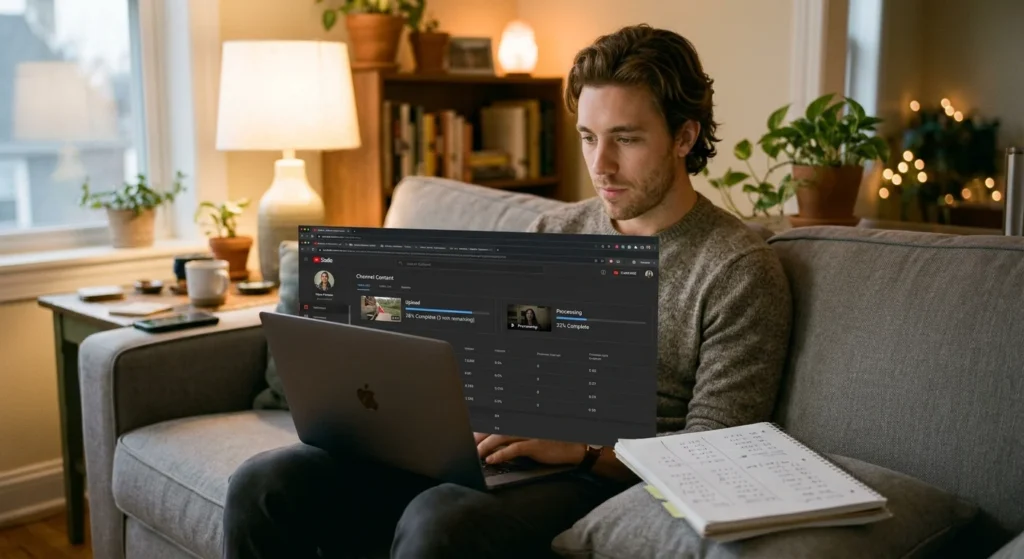
Shorts need extra care. Dashboards count every play, but monetization runs on engaged views, a stricter metric YouTube has not fully defined, so a channel showing 12 million Shorts views can still sit under the 10 million line. Check the Advanced Mode figure before planning around Shorts.
Why the February 2027 Deadline Changes Your Timeline
From February 1, 2027, new applicants for ad revenue will need 8,000 qualified watch hours or 20 million Shorts views, up from 4,000 and 10 million. An application that reaches YouTube by 23:59 UTC on January 31 is still judged under the current numbers, AIR Media-Tech reports after confirming it with its partner support team.
The 500-subscriber fan-funding tier does not change. For a channel started today, that tier is the realistic first target, because memberships and Shopping can pay before ads do. Treat ad revenue as a second stage.
Channels already earning from ads keep their status after the change, though they must accept updated terms in Studio by January 31, 2027.
How to Avoid the Inauthentic Content Trap
Reviewers look at your channel theme, your most-viewed videos, your newest uploads, your watch-time leaders, and your metadata. Run a simple test on each: could a reviewer name what you added? If the honest answer is that you uploaded it, expect a rejection.
In July 2026, YouTube named the formats it targets hardest, according to AIR Media-Tech’s summary: generic or repetitive AI and template output, content built to distress or manipulate, and AI personas posing as authorities on finance, legal, or medical topics. Reaction, commentary, and clip formats remain monetizable when the added work is visible.
Four habits keep a hands-off channel safe. Edit freelancers’ scripts until they sound like you. Use real screen recordings or original footage. Add a test result, comparison, or opinion that only you could supply. Match every title and thumbnail to what the video delivers.
Mistakes That Cost Months for Hands-Off Channels
Hiding or deleting old videos before approval quietly costs hours. Privating an upload removes its watch hours that day, and deleting is permanent, so a re-upload starts from zero. Clean up after YouTube approves you.
Buying views or subscribers is a policy violation that can sink an application on its own. Switching niches does not reset anything either, because reviewers assess the channel as a whole, so forty weak old uploads can drag down ten good new ones.
On the service side, the mistake is working without a contract. Agree on scope, payment dates, and who owns the finished files before the first draft, and keep the creator’s channel access limited to the roles you need.
How to Choose Your First Path
Match the option to what you have. With time and no money, sell editing, clipping, or translation. With a budget and no time, hire a team for a faceless channel. With a niche audience or a local business, channel management or Shopping tags return the quickest results.
A rough comparison, based on typical setups rather than guaranteed results:
| Path | YPP Needed | Upfront Cost | Speed to First Income |
| Editing, scripting, thumbnails | No | Low | Weeks |
| Faceless channel with a team | Yes, for ads | High | Months |
| Clipping with permission | No | Low | Weeks |
| Channel management | No | Low | Weeks |
| Shopping affiliate | Yes | Medium | Months |
| Original audio | Yes, for ads | Low | Months |
| Translation and dubbing | No | Low | Weeks |
Whichever you pick, set a 90-day checkpoint. For service work, that means paying clients. For a channel, it means subscriber growth and average view duration, since AIR Media-Tech notes that average view duration moves watch hours faster than upload frequency does.
Income from any of these paths is not guaranteed and varies with niche, effort, and clients. This article is general information, not financial advice, and thresholds change, so confirm current rules in YouTube Studio before you invest money.