

The Fidelity card is a no-annual-fee credit card that pays 2% back on everyday spending. The catch is where that money goes. To earn the full 2%, you deposit your rewards into an eligible Fidelity account instead of taking a statement credit. That makes the Fidelity Visa card a strong tool for people who already invest with Fidelity. It is a weaker choice for anyone who wants flexible rewards. This guide explains how the rewards work, what the card costs, who qualifies, and when another card makes more sense.
What the Fidelity Card is
The Fidelity Rewards Visa Signature Card is a flat-rate cash back card offered by Fidelity. Most people call it the Fidelity card or the Fidelity Visa card. It earns the same rate on every eligible purchase. There are no bonus categories, no rotating quarters, and no sign-up steps to track. Groceries, gas, streaming, and online orders all earn the same amount.
That simplicity is the real selling point. You do not need a spreadsheet to decide which card to pull out at checkout. One card handles everything, and your rewards grow in the background.
How the Fidelity Card 2% Cash Back Works
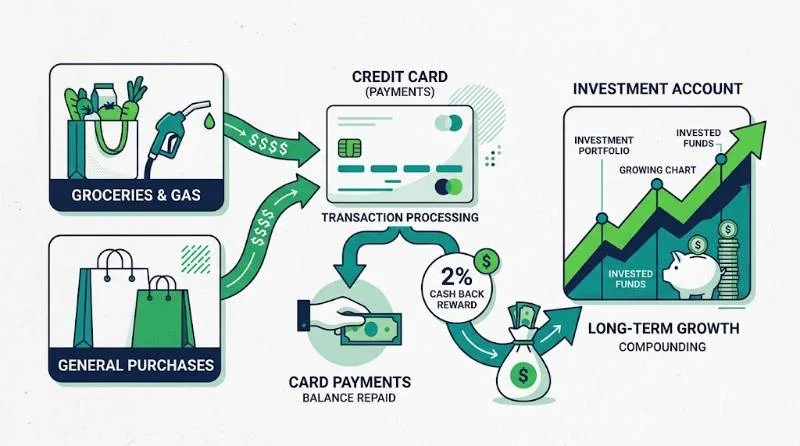
The headline rate is 2% cash back on eligible net purchases. Net means returns and credits reduce what you earn. The rewards have no cap and do not expire, so heavy spenders are not penalized.
Here is the part many reviews bury. The full 2% value applies when you redeem rewards as a deposit into an eligible Fidelity account. Redeem another way, and the value drops. Check Fidelity’s current terms for the exact rate before you commit.
1: Which Fidelity accounts accept the deposit
Eligible accounts generally include a Fidelity brokerage account and a Cash Management Account. Certain retirement and education savings accounts, such as an IRA or a 529, may also qualify. Rules differ by account type, so confirm yours before you apply.
2: What happens if you redeem another way
Some people want cash for a bill or a trip, not a deposit into investments. You can redeem differently, but you give up the headline rate. At that point the card loses its edge over other no-fee cards. If you plan to cash out often, look at a card built for that.
3: What 2% looks like in real numbers
Say you put $1,500 on the card each month. At 2%, that earns $30 a month, or $360 a year. Deposited into an investment account and left alone, those deposits can compound over time. Investments can also lose value, so growth is never guaranteed.
The comparison that matters is against a 1.5% card. On that same spending, 1.5% earns $270 a year. The Fidelity card adds $90 a year, but only if you accept the deposit rule.
Fidelity card fees and interest costs
1: Annual fee
The Fidelity Visa card has no annual fee. That keeps the math simple, because no yearly charge eats into your rewards.
2: Foreign transaction fee
The card charges a 1% foreign transaction fee on purchases made abroad. That is low compared with the 3% many cards charge, but it is not zero. Frequent international travelers can find cards with no foreign fee. On a long trip, a no-foreign-fee card may beat this one.
3: Interest on balances
Like most rewards cards, this one charges interest on balances you carry. The rate varies by applicant and changes over time, so check your offer. A 2% reward cannot outrun credit card interest. If you carry a balance each month, interest will cost far more than the rewards earn. Pay the statement in full and treat the card like a debit card with a bonus.
Fidelity Visa card perks and protections
As a Visa Signature card, it carries benefits that many no-fee cards skip. Coverage details vary, so read the current benefits guide before you rely on any of them.
Common Visa Signature benefits include a 24-hour concierge service, lost luggage reimbursement, auto rental collision damage waiver, and emergency card replacement. You also get roadside dispatch and access to Visa’s special offers on dining, travel, and shopping.

Treat these as a bonus, not a reason to apply. The rental car waiver is the most useful for most people. It may let you skip the counter’s coverage when you pay with the card. Read the exclusions first, since waivers rarely cover everything.
Who qualifies for the Fidelity card
Fidelity markets this card to people with excellent credit. That usually means a FICO score around 720 or higher. Approval is never guaranteed at any score, because issuers also weigh income, debt, and recent applications.
Applying triggers a hard credit inquiry. That can lower your score slightly for a short time. If a mortgage or auto loan is coming soon, apply after it closes.
You will want an eligible Fidelity account ready to receive your rewards. Opening one first can speed up setup.
Who should get a Fidelity card
When the Fidelity card is a good fit
The card works best for people who already invest with Fidelity and keep adding money. If you want everyday spending to feed a brokerage, IRA, or 529 automatically, this setup is hard to beat.
It also suits people who dislike tracking bonus categories. One flat rate removes the guesswork.
Parents saving for college can send rewards to a 529. Savers building retirement funds can route them to an IRA. Either way, the money moves without a manual transfer. Rewards deposited into a tax-advantaged account may count toward contribution limits. Ask Fidelity or a tax professional how yours are treated.
When another card is better
Skip the Fidelity card if you want cash you can spend freely. The full rate depends on the deposit, so it does not suit anyone who needs flexible rewards.
It is also a poor match for frequent international travelers. They are better served by a no-foreign-fee card with travel rewards. Anyone who carries a balance should look for a lower-interest option instead.
Finally, if you rarely invest, the deposit rule becomes friction. A plain flat-rate card with cash redemption is easier.
Fidelity card vs other flat-rate cash back cards
Two cards come up most often as alternatives. Both have no annual fee and an effective 2% rate.
The Citi Double Cash card earns 1% when you buy and 1% when you pay. The Wells Fargo Active Cash card earns a flat 2%. Both let you redeem for cash without opening any investment account.
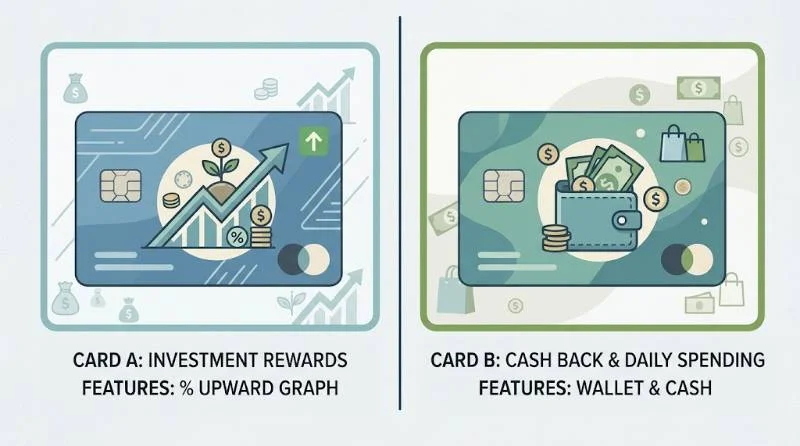
The tradeoff is simple. Those cards give you flexibility. The Fidelity card gives you automatic investing and Visa Signature perks. If you would invest the money anyway, the Fidelity card removes a step. If you would not, flexibility wins.
How to get the most from your Fidelity card
1: Put recurring bills on the card
Utilities, phone plans, subscriptions, and insurance are easy to move onto the card. Each one earns rewards without extra effort. Some billers add a card surcharge, and a fee near 2% cancels the reward.
2: Set up automatic payments
Turn on autopay for the full statement balance. A missed payment can bring late fees and interest that dwarf your rewards. Full autopay removes that risk.
3: Automate the reward deposit
Look in your card settings for an option to deposit rewards automatically. That removes the temptation to redeem them another way. Review the account each quarter to confirm deposits land where you expect.
4: Watch purchases that may not earn
Cash advances, balance transfers, and similar transactions usually do not earn rewards. Read the card agreement for the full list of exclusions. Returns also reduce rewards, so a refunded purchase takes its cash back with it.
How to apply for the Fidelity card
You apply online through Fidelity. You will enter your name, address, income, and Social Security number. The issuer then checks your credit and often gives a decision within minutes. Some applications need extra review and take longer.
Before you start, decide which Fidelity account will receive your rewards. Have its details ready. Review the current terms on the application page, since rates and benefits can change.